Lessons Never to be Forgotten
Part III: 1974 to 1991
|
Crimes committed by the Fascist military dictator of Ethiopia |
Here is a short list of atrocities that committed against civilians by the Ethiopian Army
|
This day in Eritrean history, 9th of March 1975: The killing of the Ethiopian spy, Tecleab Solomon, caused the massacre of about 400 persons in one evening in Agordat, on the 9th of March 1975. The Agordat massacre is simply one of the many massacres committed by the Ethiopian army or at times with the collaboration of fellow Eritreans; starting with the massacre of Ad Ibrihim in Barca in 1967. The Haile Sellasie regime started its scorched earth policy in 1967 particularly targeting Muslims and some of the worst crimes in the lowlands and Muslim villages in Akle Guzai was committed under his rule, under the direct supervision of Asrate Kassa, the then Governor of Eritrea. The Derg extended those massacres to all parts of Eritrea. We need to remind ourselves about those atrocities of Ethiopian occupation from time to time, to activate our memories that: On that Agordat incident, I knew Tecleab and his family (not sure if they were from Eritrea or Tigray), rented one of the rooms in our compound for some years (when they came as immigrants), before they moved to another part of the town. His father and his elder brother were very decent people but he was rouge since his early years. He later ended up as a spy. He was regarded dangerous as he knew the town very well. A clandestine ELF cell in town lured him outside the town and was to deliver him to the ELF and was killed when he realized his fate and resisted. An army official who happened to visit the town by helicopter, ordered the massacre, as an act of revenge. Nobody realized that he was so important to the Ethiopian army. Agordat Massacre of 9th March 1975: An eyewitness account in Arabic by Faraj Hamid Faraj
Testomomy: Gejeret 1975: Life Under Mengistu’s DergIf you are from Gejeret, then you might remember where the residents of that neighborhood in Asmara found refuge in 1975. I was one of those who took refuge at San Francesco or Collegio La Salle, which was administered by the Kerenite Fratelli, Fr. Michael, Fr. Kahsay, Fratello Beyene, and Fr. Demsas. Later, I heard Fr. Beyene joined the struggle but I’ve no information if he made it to Independence Day. Also, rumor had it that afterwards, Fr. Misghina quit the La Salle seminary, got married and left for Sweden. And there is more of such news. The year 1975 ushered a turbulent and terrible time for Asmara residents who hitherto escaped the ugliness of the raging terror that was being carried out by the Derg. Most people from Gejeret stayed at home during daytime, and when the sun was about to set, they moved to La Salle to spend the night. Usually in the late afternoon, most of the people packed necessary supplies, took along mattress and blankets, and bagged other items, and headed to La Salle to spend the night. After some time, that became the daily routine, people were convinced it was the only way to avoid falling victim and facing the unimaginable cruelty and looting in the hands of the Derg security forces, the Tor Serawti who became extremely active during the night. Two places became safe havens for the residents of Gejeret: San Francesco and La Salle; they offered relative security and peace. Meanwhile, many residents trekked to the countryside around Asmara where they found refuge and the rural areas were crowded with relatives and refugees from the capital city. My family couldn’t follow the footsteps of the other people since our ancestral village was entirely burnt down and razed to the ground. The destroyed village became uninhabitable for its residents let alone refugees from Asmara. Sometime later, for reasons I cannot exactly explain, all the people who took refuge at La Salle and San Francesco gradually stopped frequenting those place; they started to stay at home overnight. However, the risk that the Tor Serawit posed on their safety, was not over yet. Maybe that could be due to accepting fate—z’metse ymtsa’e attitude. It could also be that somehow, we were aware of Abraham Afewerki’s song long before it was released: “tsebaH ms Halefe Kullu”, meaning, “tomorrow, when everything is over”. We pretended to listen to the imaginary song because fate had to somehow be confronted and challenged. As the situation deteriorated in Asmara, the schools were closed; a few classmates made it to Addis Ababa. Luckily, the Frattelli from Collegio La Salle not only hosted the people, but they also offered opportunities for those who could continue to pursue further education by providing schooling with a ‘modified curriculum’. That was a very creative and wise move which helped the children not only to have some positive distractions from what was happening during the terrifying times, but were able to normalize our daily life when everywhere else murder and mayhem was prevalent. The Fratelli and their institutions deserve so much credit for their kindness and for what they provided the people in their time of need, and for saving so many lives. Personally, I am indebted to them, and I can’t thank them enough for the great service they provided During that time, Asmara rarely had lights at night and the people also preferred dim candle lights to avoid detection by the Afagn Guad, (the strangulation teams) of the Tor Serawit in the evenings—dark houses gave them the impression the homes were uninhabited. As soon as darkness sets in, residents were supposed to speak sotto-voce, and all talks were whispers. One learned how to sharpen their hearing faculties and could discern the sound of the cars that roamed the deserted streets from other sounds. Outside, the air was so silent; inside the houses, even footsteps were not supposed to make a noise. We had learned how to tip toe. My mother was very careful; she would walk to the kitchen quietly calculating the position of every step she took, until she made sure the danger was over. Usually she would peek through the crack in the door and check the streets for extra assurance of safety. It was then that she passed her verdict. She would order us to either relax after so many tense hours, or continue to be silent and freeze where we were, depending on what she detected through the crack in the door. Our house was located on a high ground, and on the side was an empty and steep slope. That place became a convenient escape route for the Eritrean combatants, the fedayeen, who frequently sneaked into Asmara for military operations. Thus, every time we heard of a Fedayeen mission, or assumed that one was underway after hearing gunshots, we were obliged to exercise caution. At night, the nearer the sound of gunshots, the more probable the terrorizing search squads, (fetash budn) would inevitably start to comb the neighborhood starting early morning, and carry out house to house searches. It was during such alerting moments that my mother would rush to hide any item that was expected to cause trouble. Therefore, even the music cassettes of Tsehaitu BeraKi’s songs would be thrown in the gutters or discarded far away, and my mother, not understanding their value, would burn the pamphlets that were secretly distributed by the combatants and their collaborators in the city.readmore
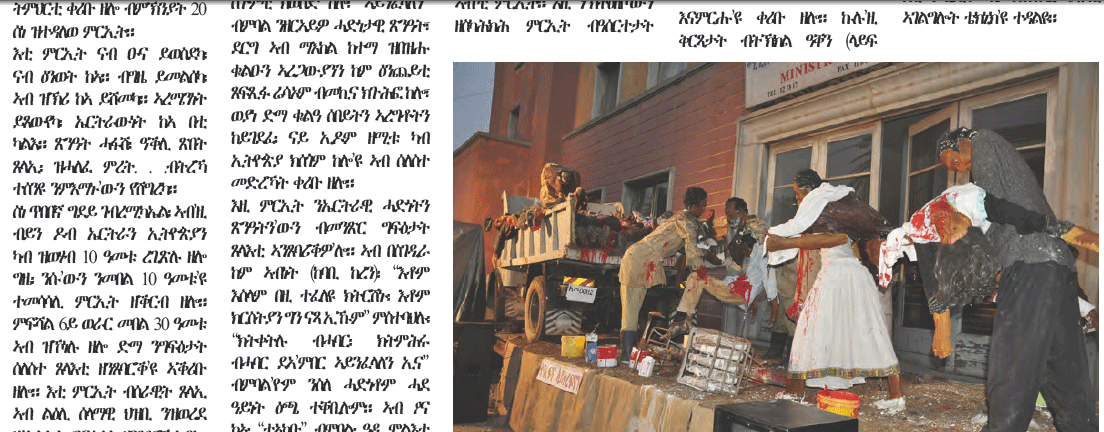
Wolde Giorgis (1985:51) who was a chief representative of COPWE(Commission to Organize the Party of the Workers of Ethiopia) in 1979, described 1975 atrocities against the Eritrean people by the Ethiopian government as follows: Young men and women were dragged out of their homes at night, strangled and thrown into the streets in what the death squads themselves called the “ Piano Wire Operation” Hundreds were killed in this terrible manner. The Ethiopian government crimes against civilans in the 1970s was reported by Dines (1978:2 ) and Wolde Giorgis (1985:51).Ato Irgau Bahta was one of those victms of the Ethiopian government. He was gunned down inside his home in front of his 7 children and his youngwife in March 1976 when the army shot dead 42 civilans in the capital Asmara. This was in retribution to the death of Colonel Bishu, who was assassinated by the EPLF fighters. The murder of Ato Irgau Bahta |
|
On the 28th of March 1976 an Ethiopian army Colonel, Bishu Gebre Tekle and his bodyguard, were assassinated by EPLF fighters aided by the colonel’s mistress Nebyat. Nebyat was the patron of a bar and lured her lover into meeting her at the entrance of her establishment. The ambush happened in the city center in the Eritrean capital Asmara, in the early hours of the evening. Nebyat and her young son along with the two fighters who shot the colonel escaped swiftly arriving safely in the countryside under EPLF’s control. (Connell, 1993). Ato Irgau Bahta lived in the same block where the assassination had occurred, alongside his wife, seven children, his mother and brother in law. Around 11pm that night members of the 30th brigade of the Ethiopian Army dispatched from the the Kagnew Station military base forced their way into Ato Irgau Bahta’s apartment and terrorized the defenseless family. It is believed the army unit was under the command of aShaleka Asmelash. After ransacking the apartment and stealing various jewelry items one of the soldiers shot Ato Irgau Bahta in the head. Ato Irgau Bahta was holding one of his young children in his arms when he was shot and fell on the ground alongside his child. His brother in law was taken outside in the street and shot at. The bullets missed him and he was spared. Ato Irgau passed away at the age of 43, in the arms of his young wife and his mother in-law, who were not able to get any help until late the next morning. Ato Irgau Bahta was born in Adwa, Tigray, Ethiopia and moved to Asmara early in his childhood |
| He worked as an electrician with the Lo Russo company and was well liked and respected in the community. In the same night a young high school student, the only child of a mother that was employed as maid with an Italian family, was also killed by the same Ethiopian Army unit. He was shot and his body thrown from the third floor of the building where he used to reside. He lived above the premises where the Ethiopian colonel had been ambushed. At least eight other individuals were executed by the Ethiopian army on the night of March 28, 1976 in the city center of Asmara. The next night, March 29, 1976 more civilians were rounded up and executed by the Ethiopian army. At least twelve bodies were dropped and laid around the block were Ato Irgau and his family lived. The funeral procession of Ato Irgau Bahta could not proceed until the bodies were removed later on the next day. It is believed that many of the victims of the second night were civilians whose names were found at Nebyat’s bar in a book where she kept the names of individuals that owed her money, a common practice of local businesses. |
|
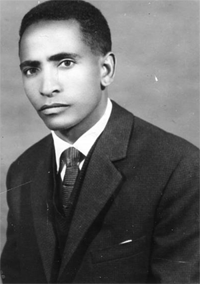
Dr. Petros Habtemikael
|
|
||

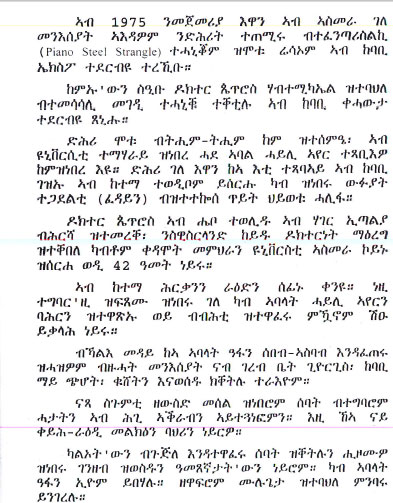
| Here is more information related to the killing of Dr. Petros Habtemikael from the book of Dabasu Ababa-Man yengar, zenabra p.125 | |
 |
 |
Dr Father Augustino |
According to cbaac (2008), almost every family went through the nightmare of purge, imprisonment and torture. In the cities soldiers were going from house to house looking for women's gold. Once they have loathed the house they will kill almost everybody, men, women and children alike. Innocent young and under age girls were taken from their homes and murdered after being raped. If parents refused to give their daughters' hand to an Ethiopian soldier, the whole family was murdered. The repression and crime was so high that parents were encouraging their daughters either to join the liberation movement or else leave the country. Last but not least, many young Eritrean girls raped by Ethiopian soldiers preferred to commit suicide rather than carry children of ultimate violence. |
Excrept from EPLF History “Hold Me In Your Arms! …. I Am Going to Make It”. The family gathered as usual circling the plate dish for dinning, however a frightening interruption appeared before the parents and siblings took their first slice of bread. Then the nightmare of terror caught the family up for tragedy: the genocidal atrocity. The Ethiopian soldiers brutally stubbed and shot down Mr. Abraham, his spouse and three other children of theirs. Fortunately, the two youngest boys of the family Tesfay and Mussie managed to hide and observe the brutal scene that was taking place in their house; to their family: a house that few minutes earlier was founded in peace. Their four-year-old sister Ghenet was seen sobbing in front of the devastating scene of crime. Painted with blood, no mercy was in the aggressors heart for the forsaken child, so they stabbed her with the knife that left her intestine to drag out of its place. Both Tesfay and Mussie left their hidden place after they made sure the soldiers had left. Then sobbing sound came out from their baby sister Ghenet.” Tesfay, Tesfay please hold me in your arms! Mussie, Mussie hold me, I am going to make it!” she added with her dying voice. A fouryear- old victim struggling to keep her intestine from falling dawn to the ground. The 13-year-old Tesfay had a responsible and dedicated family that strives day and night to establish a better life. However, that tragic and unfortunate evening destroyed Abraham Woldu’s family dreams and hopes. This history of Abraha’s family is the history of every Eritrean family. In that horrific day 23 innocent Eritreans were brutally massacred at Gejeret by the criminal gangs of the Derg regime. Between February- March 1975, more than 500 innocent civilians were massacred on the streets of Asmara. Read more |
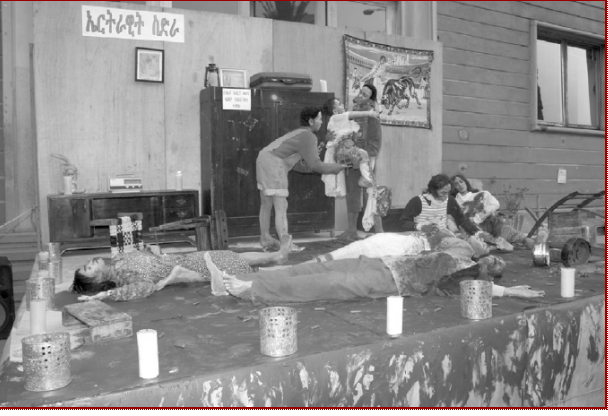
Here is an interview made by Amrit Wilson with an Eritrean woman Saba Asser, one of the survivors of Ethiopian prisons and torture, after eleven months of detention in one of Asmara 's toughest prison, Mariam Gimb. She refused to admit that she was working for the EPLF organization. She was not willing to collaborate and denounce her comrades “For each arrested person there are seven to eight interrogators. They tie your big toes and your hands together, your arms around your legs. Then they put a stick under your knees: this is called the number eight because your body is in the shape of an eight. They make a ball from the cloths and vomit of prisoners and put it in your mouth. They turn you up side down and then they start beating the bottom of your feet. You hang from the stick which they lay with its ends on two tables. Seven or eight people take turns beating you. When one gets tired, another gets over. On the first night they beat me all night from 5.30 p.m. to 4 o'clock the next morning. They wanted the names of my friends before they could flee from their homes as soon as the curfew was lifted at 6 in the morning. ……the second day at 8.30 in the morning they called me again…they beat me from 8.30 till 12 o'clock. One hour of number 8 and then 9. In number 9 my big toes were tied together and while I am lying on my belly they stood at the sides of my back. Your hands are tied, they hit your feet with a stick made of leather. As they beat you their hands turn red and sometimes start bleeding. So you can imagine if it hurts them that much, how much it hurts the person that is being tortured.” Ethiopian repression in Eritrea |
Prisiners' testimony |
Alem Beka Prisoners' story Par 1. Alem Beka Prisoners' story Part.2. Memories of our prisons and the 1975 operation Sembel Detention
in Asmara |
|
|
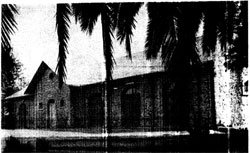

Martyr Berhane Tesfamariam (wedi Balilla)
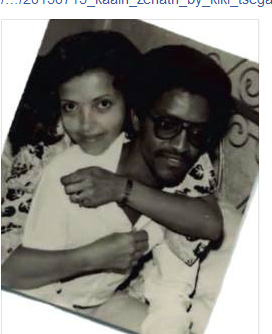
Berhane was arrested and killed 1 month after his arrest on July 1978. At that time Mariam Gimbi did not exist. They were taken to Enda Afras and then Sembel. Either for court (Chelot) or execution. By Kiki Tzeggai The ordinariness of the surrounding places and the suburban areas makes “Enda Afras” even more difficult to accept, for this place is the symbol of humanity at his worst. “Enda Afras” torture room and the former prison under the Ethiopian occupation is located in the heart of Asmara, the capital city of Eritrea. When you look at this place from outside, it has a grassy area that calls for kids to play and run from on end to the other. You see, Enda Afras” means “stable for horses” and it is part of the compound formerly hosting the Ethiopian Emperor’s palace, during the occupation of my country – Eritrea – by said Emperor and his government. The gardens were beautifully tailored to meet the tastes of the Emperor and his royal family vacationing in Asmara. The leaves of palm trees surrounding the palace, shifting benevolently in the afternoon breeze. Some privileged young people of my generation, had access to request a horse and would ride the street of Asmara towards the fields surrounding the airport of Asmara. Later on – during the Ethiopian Derg {that took over power with a coup overthrowing the Emperor}, turned the stable “Enda Afras” into a torture room and jail. My husband was tortured and killed at “Enda Afras” read more |
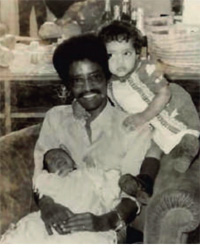
Maryam Ghimbi Asmara’s most notorious political prison, used by the Derg from 1978-1991 for the torture and excution of Eritrean civilians accused of collaborating with liberation fronts. source Dabasu 1999:17 Some of Prisoners who were executed by the Derg in late 1970s and early 1980s |
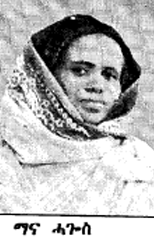 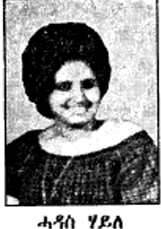 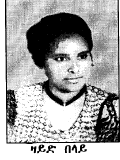 |
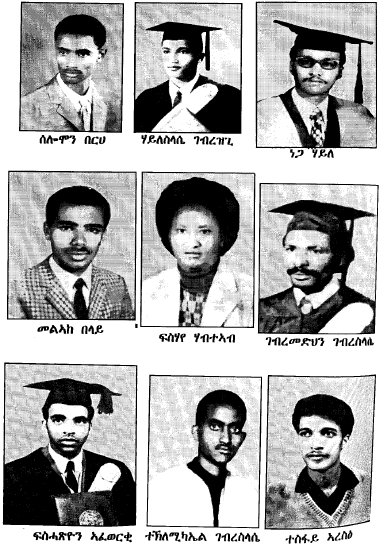 |
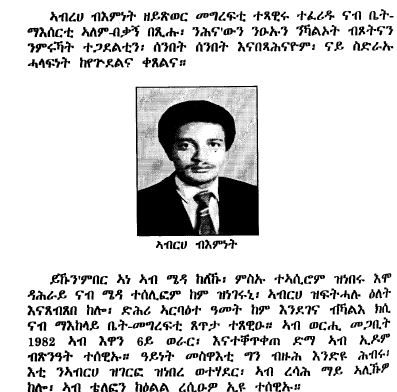 |
 |
Source kab riqe -hefeneti Tekie Beyne (2009:)
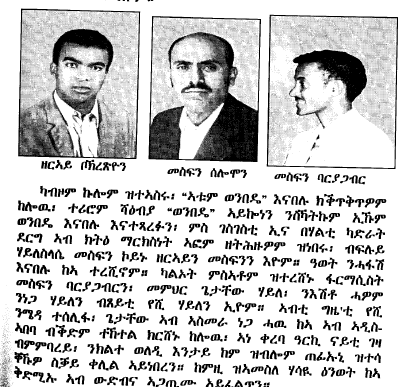
ዝኽሪ ስዉእ ብርሃነ ተስፋማሪያም (ወዲ ባሊላ)
ኣብ 1978 ኣብ ኣዝዩ ኣሰቃቒ መርመራ ናይ ስርዓት ደርግ (ኣብ ግቢ ኣስመራ) ናይ ዝተሰውአ ጅግና ውሽጣዊ ኣባል ህግሓኤ፡ ብርሃነ ተስፋማሪያም (ጸጋማይ ስእሊ) ታሪኹን ዝኽሪን ብበዓልቲ ቤቱ (ኪኪ ጸጋይ) ከምኡ’ውን ብ’መሳርሕቱ ፈዳይን ዝነበሩን (ከም ሕድራይ ፍስሃን- ካልኦትን http://www.snitna.com/…/ckdu_Voice_of_Eritrea_Naz_Yemane_pr…
1980s Excrept from In Defence of My Kunama People part 2 Saturday, 13 October 2012 06:21 The following innocent citizen were killed by killed by the Derg's fedain and Cadre in Gash Setit in the 1980s ቴድሮስ
ብምክንያት 25 ዓመት ብሩራዊ እዮቤል ናጽነት ኤርትራ ቀንዲ እንዝክሮ እንተሎ ነቶም በጃ ዝሐለፉ እዩ. ሐደ ካብቶም ጀጋኑና አብ ህምብርቲ ጸላኢ ኮይኑ ዝቃለስ ዝነበረ ቴድሮስ ተመልሶ ነይሩ .ብቀረባ ንቀራረብ ስለ ዝነበርና ምስክርነተይ ክህብ --
• Fifteen Eritrean prisoners were executed on 10 January 1986 after they had been held for several years.(Dines, 1988:151) May 12th) Remembering She'eb Victims
|
 |
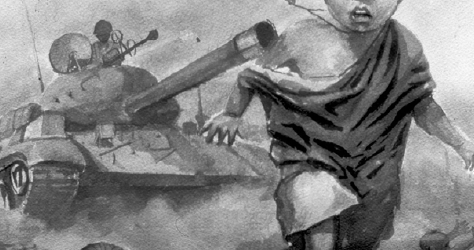
There are still fresh in the memory of every Eritrean the events of May, 1988 when the Ethiopian forces crushed to death 400 people, mostly women and children when their tanks rolled into the village of She'eb. Despite this atrocity was committed by the Mengistu government, from late 1986 until about 1989 the ELF leader Abdella Idris was involved in negotiating with the Mengistu government (De, Waal 1991:252) As the progress of this could be the Mengistu regime in late 1988 met with five former ELF members (who claimed to represent 750,000 Eritreans) to accept their proposal for the creation of an autonomous Eritrean region in the predominantly Muslim lowlands. |  |
-
Atrocities were also reported between April and May in several parts of the provinces of Hamasien, Senhit, Akele Guzai and Serai. In esacaping from these atrocities the number of internally displaced Eritreans rose to 100, 000 in 1988 - 1989, with approximately 40, 000 fleeing to Sudan from the coastal regions.
-
After Rebels' Gains, Ethiopia Vents Its Wrath on Civilians By JOHN KIFNER, Special to the New York Times Published: August 30, 1988
If the ELF leaders had a good willingness to encourage and harmonies the Eritrea Liberation Army to work in cooperative rather dividing, the Ethiopia army would have not had to committee all the atrocity. Alsayed (2009) also states that 30 years later we can clearly see the strategic error committed by the founders of ELF in the cost not only to our lives and properties, but also to our social fabric and cultural values, including the refugee exodus (mainly from the Muslim/Lowland areas)
By the end of the war in 1991, there were 500,000-600, 000 Eritrean refugees in Sudan, between 80,000-100,000 in oil-producing Arab states, 30,000 the United States and Canada and 18,000 in Germany alone (Pool 1993: 394)
List of massacres committed during the Eritrean War of Independence
በዓል ዓፋኝ አብ አፍደገ ገዛ
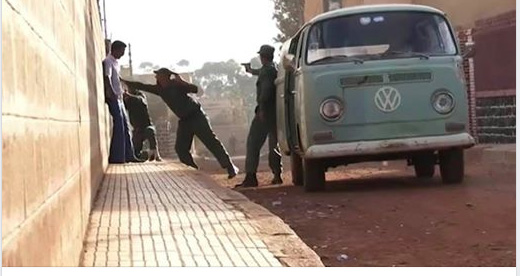
ትዝከሩ ዶ 😭 በዓል ዓፋኝ አብ አፍደገ ገዛኹም ብበዓል ነጨለባስ ሐሲዮም እቶም ዕለታዊ ድራሮም አብ ዱኬናትኩም ሰሪሖም ብቐትሪ ምስአቦታትኩም ዓምና እንዳበሉ ዝውዕሉ ዝነበሩ ብለይቲ ኸአ ንጦርሰራዊት ሒዞም አቦታትኩም , ንአሕዋትኩም , ንደቕኹም አብዛ ትሪእዋ ዘለኾም ናይ ዓፋኝ መኪና አእትዮም ብሐጺን ሕንቕ አቢሎም 😭አብእፍሊ ፋኛቱራታት ዝድርበይዎም ስድርና ይዝከረኩም ዶ አነስ ይዝከረኒ :: [በደርግ ዘመን በአስመራና አካባቢዋ ብቻ ከ 11 ሽህ በላይ ንጹሃን ኤርትራውያን ተገድሏል። ]
እነሆ ዝተሳስእ ሕሱም ምዝካር አብ ከረን ዓዲ ጀጋኑ ክንደይ ጥኑሳት አዴታት አደ ወንቤታት ወንቤደ ከይወልዳ ተባሂለን ኸብደን ብኻራ ዝተተርተራ አብ ውሽጢ ገዝኦም ብሂወት ከለው ዘንደድዎም እፍቲ መርየት ሕጂ ህዝቢ ከምዘይብላ ህንድሽድሽ ክብሉሉ ብዕንበባን ዕልልታን ተቐብሎም ክስዕስዑ እዋይ ኤረ ትዝክርዎ ዶ ? Stom Saleh 20 December at 03:17
GENOCIDE BY ETHIOPIAN ARMY ASMARA & KEREN 1975
A brief expose of the war crimes committed on innocent Eritrean civilians.
The unforgettable massacres
�
ehrea.org © 2004-2017. Contact: rkidane@talk21.com | ||||