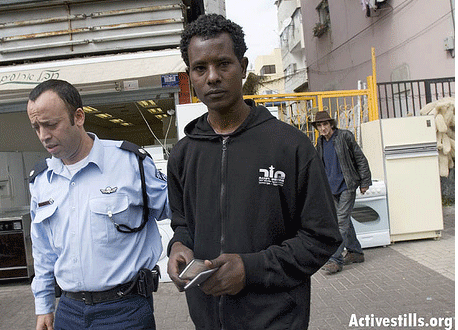
Prisoners death records  


Mysterious death of Ibrahim Afa
Mysterious death of Abraham Tewelde

Liquidation in the ELF
index sitemap advanced
2012-02-22


Eritrean Political leaders for decades in leadership

No one is appointed for life!

Reflections on the contribution of the opposition leaders in prolonging the suffering of the Eritrean people for the last 20 years

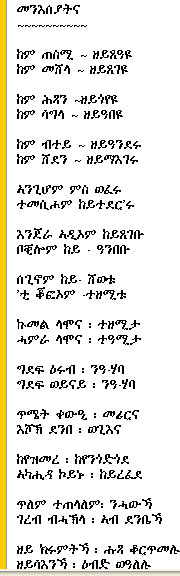
መን ካብ መን ይሕይሽ አብ ልዕሊ መን ክውርዚ
ዕንቅርቢት ን ተመን ኩሉኻትኩም ሕንዚ

የማነ ባሪያ

ኣብ ክንዲ ንኢሳያስ፡ “ነዊሕ ኣብ ስልጣን ጸኒሑ፡ ዲክታተር ኮይኑ፡ ቅዋም ኣይተግበረን፡ ስልጣን ንህዝቢ ምርካብ ኣብዩ፡”  ወዘተ ኢሎም ዝኸሱዎ፡ መጀመርያ ንሳቶም ብሕግን ብደሞክራስን ይመርሑ፡ ስልጣን ድማ ናብ ህዝቢ የረክቡ። ድሕሪኡ ብዛዕባ ሃገር ክዛረቡን ምኽሮም ክልግሱን ምኸኣሉ። ብሰንኪ ግጉይ ኣመራርሓኦም ድማ ብዙሕ ሰብ ክውደብን ክቃለስን ጸጊሙዎ ኣሎ። ሎሚ ሃገር ሓድሽ ደም የድልያ ኣሎ። ኣዞም መንእሰያት ዝገብሩዎ ዘለዉ ምውድዳባት ቀሊል ስራሕ ኣይኮነን። ምናልባት ምስ ኵነታት ኤውሮጳ ዝጋጮ ጐነጽ ክጥቀሙ ኸለዉ ክጥንቀቑ ኣለዎም ዝብል ርእይቶ ኣለኒ። ካብኡ በለ ግን መዋእል ጀብሃን ሻዕብያን ኣብቂዑ ስለ ዝኾነ፡ ኩላቶም ብናይ ትማሊ ዝሓስቡ፡ ነይረ ጥራይ ዝብሉ ሰባት ኣብ ክንዲ ናብ ስልጣን ምምጥጣር፡ ስልጣን ነቲ ብዛዕባ መጻኢ ዕድል ሃገርን ህዝብን ዝሓስብ መንእሰይ ኣረኪቦም ከም ኣቦታት ወይ ዓበይቲ ዓዲ መጠን ኣማኸርቲ ክኾኑ ጥራይ’ዩ ዘለዎም። ሓድሽ እንጌራ ከሎ ዝዓሰወ እንጌራ ደጊም ዘድሊ ኣይመስለንን። Read more

Veteran fighter and Chairman of the Eritrean National Congress, Hiruy Tedla Bairu, said he believed any political group whose members belonged to the era of the liberation struggle would most likely turn dictatorial. Looking to the future, Hiruy says there is the need for a new mass movement to lead the people. readmore

Researched and compiled by Resoum Kidane[20/05/11]

Videos on the Prison Nation:
Eritrea 1991 - 2011[video] and Albania 1943 - 1990 [video]

In the 1990 the leader of Albania Enver Hoxha[video] and other unpopular leaders of Eastern Europe[video] were removed from power through popular uprisings which, in 2011, are being repeated in North Africa. The overthrow of Zine al-Abidine Ben Ali[video] and the resignation of Hussein Mubarak[video] after decades in power encouraged the people of Libya , Bahrain and other countries [video] to revolt against their "oppressive government. This type of popular revolt should be repeated in the rest of Africa against those leaders who have oppressed their own people for decades. Issays Afework is among those leaders who should be removed from power. The question of how to remove Issays Afework from power has dominated cyber debate since the popular uprisings started in the North Africa. Daniel G. Mikael, March 6, 2011 states that it's time to organize and inspire our youth both inside and outside the country, embolden the victims of the system to stand up and fight and boldly take the opposition movement to where is has not been before... read more.]

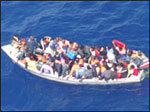
Indeed this type of uprising will have a great role in speeding up the removal of this fascistic dictator, however our youth need to be ensured that their uprising against the 20 years repression should not be for the benefit of the EDA or EPDP leaders who themselves have been in leadership or in senior post for decades. According to Amare (2010) Ahmed Nasser is the chairman of the Eritrean National Salvation Front (ENSF) today and was the chairman of ELF from 1976 to 1981. Dr. Habte Tesfamariam is member of the executive leadership of ENSF today and was chairman of the ELF that replaced Ahmed Nasser until ELF disintegrated. There are more in a leaders from the oppostion groups who have been in leadership or senior post for decaded.  For example, Abdella Idris was in a leading position for 43 years  from 1968 to 2011.  Mesfin Hagos has been in a senior post since 1970 for 41 years, Hiuri leader of ECP is in a leading position for 40 years from 1971- Tesfai Woldemichael (Degiga), vice -chairman of the EPDP was with Ahmed Nasser leadership in 1975 since then he is in a leading position for 36 years and Tewelde Gebreselasse is the leader of Sagem nearly for 30 years since 1982 [find more]. Dpite this fact, most Eritreans in diaspora cyber debates have focused on removing Issays not on the role of the oppostion leaders who have become obtacle to removing the current autocratic regime, Fesseha Nair's article The Role of Military in Transition to Democracy didn't show why the oppostion leaders for decades in leadership and how they have contributed to prolonging the life of this autocratic regime which has caused for the death of thousands of Eritrean youths in the Mediterranean Sea.

When looking back to the history of the dark face of Gedli, we have heard many horrible crimes and there are still more untold stories of the crimes committed against the innocent fighters and civilians by the former leaders of the ELF and EPLF. These former revolutionary leaders and their collaborators member of the oppostion groups are still refused to acknowledge their crimes. Nebarai Keshi (October 11, 2003) in his article "Where are the Dots to be Connected Here"?, mentioned that Wolde Yesus Ammar didn’t hide his critical stand against every political group he disapproves and distrusts, but he left out our old ELF from the equation and even absolved it from all the past wrongs and sins it committed. 

Wolde Yesus Ammar the leader of the ELF-RC accused Abdella Idris of being sectarian in killing Melka. However Wolde Yesus has never said any thing about liquidation policy of the ELF against Fallul movement in 1977 . This was when Seyoum’ campaiged against the Fallul  movement by  saying “HA Hu Bel Falulay” through  broadcasting over ELF’s radio programme from Omdurman. Why does Wolde Yesus keep silent about the ELF's victims? those who were tortured by the ELF security personnel in 1977. Mussie Gebreab (May 03 2009) who was imprisoned in 1977 states that it takes a book to tell all the untold crimes commuted by Saleh Gadi of course no body call him salh gadi but Vaseline and his bosses on the Eritrean youth at the Eritrean field, but let me share few of them read more. In fact Melake Tekele was not innocent of crime as he was the head of the ELF security department which was responsible for the kidnapping, disappearance and killing of innocent civilians and fighters from 1975-1980.
In the light of this the EDA and EPDP leaders like the
PFDJ leaders whom they are accusing of committing crimes against the Eritrean people since 1991 are also guilty.
How can the Eritrean people trust these oppostion leaders of EDA, EPDP and others who are themselve
not innocent of crimes?

It is sensible to look briefly the chronological history of the Eritrean political leaders, power struggle which have becomes the main  obstacle for  removing the Afeworki dictatorship during the last 20 years. The leadership crisis (power struggle) which existed mainly within the ELF in the 1970s has left its mark on the current opposition leaders. Those veteran ELF and EPLF member of the oppostion groups leaders continue to engage in power struggle for the sake of their personal interest. In the period when the Afeworki regime severely restricted freedom of speech and press in the early 2000s, Seyoum Ogbamichael walking out from the meeting of 5th regular meeting of the Alliance of Eritrean National Forces ENA because of Hirui was elected to the position of Secretary General of the ENA in October 2002. Regarding this Sadia Ali (2003) wrote how on Earth they (ELF.RC) speak about their opposition to Dictatorial regime in Eritrea when they walk out from the ENA 5th regular session.

In 2007 when the Eritrean people were urging the oppostion leaders (EDA) to remove the authoritarian regime in Asmara without further delay, the oppostion leaders responded by splitting into two blocs because of their power struggle. Regarding this Yohannes Ligiam [13.03.07] stated that since 1993, Eritrean people abroad and inside hoped that the opposition will grow and mature politically and will replace the dictatorship that has denied them opportunity, stability and democracy. Instead of maturity and coherence the oppositions’ reality has developed to further fragmentation and the opposition ended up being part of the problem instead of a solution.

Although  the oppostion leaders themselves have contributed to some extent to the prolonging  Issayas’s  life  in power , they  complained of his being in power for 20 years. One of these accusers is Tewelde Gebreselasse leader of Sagem who himself  has been a leader  for almost 30 years.
Tewelde Gebreselasse (the Chairman of EDA) in an interview with Walta, Ethiopia’s state media described Eritrea in the last 20 years as a “one party dictatorship…with no freedom of press, no rule of law, no election, no freedom of expression. These oppostion leaders want to seize power for themselves by liberating the Eritrean people from the repression of the PFDJ but without developing the democratic organisations which will hold them accountable and usher in a new political system, in which the people can exercise control. Democratic practices has to begin with the opposition.  The replacement of a dictatorship requires alternative, democratic structures to be developed.  The opposition must reform itself, develop internal democracy and accountability, draw more people into its ranks, encourage free debate and self-criticism, introduce regular elections to its leadership and launch a critical analysis of its past

The main purpose of compiling the history of the Eritrean Political leaders is to draw attention of the younger generation to the narrow power struggle of the current oppostion leaders and their consequences . The recent EPDP-EDA confrontation is an extension of the conflict that emerged at the EDA conference between the ELF and ELF.RC in 2007. The current EDA-EPDP confrontation is not sudden occurrence but has a history that goes back to the 1982. This was when the Labor Party was finally dissolved by 1982, many of its leaders aligned themselves with either the ELF faction identified with Abdallah Idris or the newly formed ELF.RC (Connel, 2011 :343 p). Since then both the ELF and ELF.RC leaders have become the main rival leaders within the opposition which caused a rift between the ELF RC and ENA in 2002, the spilt of EDA in 2007 and the EDA-EPDP confrontation 2010/2011

Generally the background information of the Eritrean Political leaders of the past few decades will be help those seeking to grasp the root cause of the EPDP -EDA confrontationon and assist those who wishes to conduct further research on the role of the oppostion leaders in prolonging the life of this autocratic regime. The view and analysis of different writers which is presented in this compilation will also make it easier for the younger generation to understand the root cause of the EDA leaders splitting into two blocs in 2007, the boycott of EPDP leaders from the National conference in 2010, the EPDP leaders withdrew from attending the 2011 National congress, and the narrow power struggle of the oppostion leaders for the last 30 years.

Chronological history of the Eritrean Political leaders (Oppostion leaders) power struggle from 1981 to 2011


The compilation of this document is arranged into three parts/decades in chronological order: the first decade (1981-1991) covers the division of the ELF into many factions, which arose not  from differences over principles but from  power struggles within the ELF leadership;  the second decade (1991-2001)  provides more information on the opposition leaders’ power struggle as an extension of the 1980s; the third decade (2001-2011) covers the rivalry of the opposition leaders over last 10 years which has greatly contributed to prolonging the suffering of the Eritrean people and particularly of the youth.

1981-1991 [First decade]

The first section of this document (1981-1991) provides concise historical information on how the ELF initially broke into three major factions and gradually over subsequent years fragmented into several groups. The defeat of the ELF in 1980 caused it to splitting the Fronts into many factions which became the main impediment to the formation of a strong opposition front against the EPLF in 1991

It is worthwhile to look briefly at the ELF leader’s power struggles during the liberation struggle which has left their imprint on the opposition leaders. In the late 1970s the following leaders were the main rival groups within the ELF leadership : Abdella Idris group, Ahmed Nassir group and Ibrahim Totil. Nebari (2002) in his article Triumph over Factionalism: ELF tragedies and setbacks highlighted the cause of the ELF split in many factions. According Nebari (2002) the ELF disintegrated in 1981 because the front's hierarchy and the relations within the various elements weren't structured based on unified, cooperative, collective and visionary leadership. ELF had a number of rival groups seeking to assert exclusive power, rule, and dominance in violation of the laws and principles of the organization. For example, Abdella Idris group, Ahmed Nassir group, Ibrahim Totil group, Hiruy group, and a number of others were rivals against one another at one time or another. There was also a party (Labor Party), which operated in total contradiction to the overall goal of the front. The leadership of ELF (known as the Revolutionary Council back then) was so besieged and preoccupied with power struggle that it didn't realize the collapse of itself and the front until it was too late. Here is more information related to the ELF internal crisis from ታሪኽ ኣይንረስዕ፡ ጉዕዞና ክቐንዕ -ካብ 1973 ክሳብ 1975 ዓ.ም. ኣብ ዝነበረ መድረኽ፣ ተጋድሎ ሓርነት ኤርትራ ብሓደስቲ ተጋደልቲ እናተዓብለለ እዩ መጺኡ። እዞም ተጋደልቲ እዚኣቶም ብሓያል ሃገራዊ ስምዒት ንናጽነት ክቃለሱ ዝመጹ፣ ኣብ ዝኾነ ድሑር ፖለቲካ ዘይተመራስሑ ንጹሃት መንእሰያት እዮም። ብዘይካ መስዋእቲ ከፊልካ ናጽነት ኤርትራ ምምጻእ ድማ፣ ካልእ ድጉል ተጻባኢ ዕላማን ድርኺትን ኣይነበሮምን። ይኹን እምበር፣ እዚ ምዕባለታት’ዚ ንዓብደላ እድሪስ ኣይተበርሆን። ካብቲ ድሑርን ወገናዊን ኣጠማምታኡ ዝብገስ፣ ነዞም ሓደስቲ ተጋደልቲ ፍጹም ኣይፈተዎምን። ብዓይኒ ጽልኢን ስግኣትን እዩ ጠሚትዎም። ከም ንኣሽቱ ኣሕዋቱ፣ ከም ወገኑን ጸግዑን ኣይርኣዮምን። ምኽንያቱ፣ እዞም ሓደስቲ ተጋደልቲ መብዛሕትኦም ተማሃሮ እዮም። ብዙሓት ካብኣቶም ድማ ደቂ ከበሳ። ዓብደላ እድሪስ፣ ምምጻእ ናይዚ ሓድሽ ሓይሊ ከቢድ ጥርጣረን ፍርሒን እዩ ኣሕዲሩሉ። Read more
Keshi(2002) also wrote that the Abdella Idris group, the most powerful and dominant group (also known as the right wing block back then), aborted and branded the reform movement as “anarchy and disorder” or “falul and Keidi Betekh”, and ordered the arrest and disarming of hundreds of Tegadelti. The Labor Party (LP), the main organ of ELF, also gave its green light to squash the movement. This is the era where anti-democratic forces took upper hand and teamed up against the forces of change in ELF. This is the era where the right wing snitchers and betrayers flourished in ELF. This is the era where ELF began to become terminally ill.

According to Connel (2011:343) the Labor Party, like the ELF, was never as ideologically homogenous or as internally disciplined  as its Maoist counterpart in the EPLF, and its leadership included such  disparate political figures as  Abdalla Idris Mohammed, Ahmed Nasser, Azien Yassin, Herui Tedla, Ibrahim Mohammed Ali, Ibrahim Totil and Saleh Ahmed  Eyay. This led to conflict within the Labor Party, just as it did in the ELF. Conell adds that When Herui was not elected to the front’s Revolutionary Council (RC) at its 1975 congress, after being chastised for acting on his own to initiate talks with the rival EPLF, he broke with the Labor Party and formed the Eritrean Democratic Movement  to challenge its hegemony. This, together with the Labor-dominated RC’s decision to enter unity talks with Osman Saleh Sabbe’s, ELF-PLF at the expense of its relations with the EPLF, triggered an eruption of dissent labeled falul by the  ELF leaders and an exodus of Kebessan fighters. read more

Furthermore Paulos M. Natnael (2011) states that in August 1981 Abdella Idris was in charge of the ELA as a member of the Executive Committee (EC) of the ELF and chief of the military office, when the conspiratorial forces of the Eritrean People's Liberation front (EPLF) and the Tigray People's Liberation Front (TPLF) finally, after a year's bitter fighting, managed to push the ELF out of Eritrea and into the Sudan. That military defeat of the ELF, history will show some day, was neither due to weakness of the ELA nor the competence and effectiveness of enemy forces; but largely due to the incompetence and internal bickering of the nine-member (EC) and the ELF leadership as a whole.

Mengesteab ( 2005, 55) in his book mentions that the EPLF leaders restored the old ELF argument that Eritrea could not support more than one liberation front. This was when they realised that the ELF military was weak, and exploiting the ELF military weakness and internal crises. At the end they declared war on the ELF which was one of the worst crime of the EPLF leaders in the history of the armed struggle. The EPLF leaders should be blamed for the death of unknown number fighters in the civil war of 1981.[According to unofficial report the civil war of 1981 caused an estimated between 1,000 and 2,000 casualties.

In 1981 Abdella Idris was defeated by his long rival Issayas and lost power inside Eritrea. In 1982 Abdella Idris took military action against his opponents, the leaders of the ELF-RC, and Melake Tekele was killed by Abdella Idris. As a result of it, the splitting of  the ELF was further exacerbated after the  1982 coup  which was organized by Abdella Idris. Abdella Idris organized  this coup against Revolutionary Council (RC) leadership: Ahmed Nassir and his secular colleagues. Barole(2003) ";Rasai is the notorious place in ELF history in the border of Sudan where Abdella Idris took the law on his own hands and did military coup d’etat in 1982. Menhot Woldemariam Nov 6, 2002 also states that in search of a solution for the organizational crisis, the leadership agreed to hold a wide seminar at Rassai, north of the Tahdai-Korokon camps, where Abdalla Idris’ small-armed unit was stationed. Nearly 750 participants were gathered at the seminar site. But instead of a seminar, Abdalla Idris staged a coup d’etat on 25 March 1982. The former security chief, Melake Tekle, was killed in the armed round up of the seminar participants and a few others wounded. The chairman of the organization, Ahmed Mohammed Nasser, was detained together with key leadership members (Tesfai Degiga, Khalifa Osman, Haileab Andu and Ibrahim Toteel). Read more
Keshi(2003) adds that Abdella Idris succeeded in snatching power and eliminating his political opponents, and it was a bloody seizure of power, which resulted in the death of Melake Tecle and others. This illegal seizure of power by Abdella Idris created a massive anger and hopelessness within the Eritrean Liberation Army. Read more about Abdella Idris: The Architect of Violence and Beneficiary of Undemocratic Uprising By Nebari Keshi July 19, 2002 . Nebari concluded his writing about the role of Abdella Idris "People need to understand that Abdella Idris is known for his extensive experience in violence, in eliminating political opponents, in squashing democratic movements, in engineering conflicts, and in controlling power. Abdella Idris is the epicenter of disaster in Eritrean political history. The same Abdella Idris who loves violence and dirty tricks" Paulos also added that Melake was murdered by the order of Abdella 30 years ago on March 25, 1981, an incident that brought the demise of the ELF as we knew it, the ELF of course disintegrated. The direct cause of the disintegration of the organization was therefore Abdella Idris Read more
Here is more information related to military coup d’etat of 1982 from ታሪኽ ኣይንረስዕ፡ ጉዕዞና ክቐንዕ ዓብደላ ዝቕንጸል ቀንጺሉ ዝእሰር ኣሲሩ፣ መሪሕነቱ ንምርጋእ ኣብ ዝጽዕረሉ ዝነበረ፣ ብኣንጻሩ ናይ ተጋደልቲ ተቓውሞ ኣብ ልዕሊ ዓብደላ እናበርትዐ እዩ ከይዱ። ኣብ ኮረኮንን ታህዳይን ዝነበሩ ተጋደልቲ ብምሉኦም ኣንጻር ዓብደላ ደው ኢሎም። ኣብቲ እዋን’ቲ ዶክተር ሃብተ ኣብ ጉጅለ ዓብደላ ምክትል ኣቦመንበር እዩ ነይሩ። ነቶም ተጋደልቲ ንምትህድዳእ ድማ ምስ ስዩምን ካልኦትን ናብ ኮረኮን ተላኢኾም። ንሳቶም ነቲ ተጋዳላይ ብቐሊሉ ዘተሃዳድእዎ እዩ መሲልዎም ነይሩ። ኣብኡ ዝነበረ ስምዒት ግን ካብ ትጽቢቶም ወጻኢ ኮይኑ ጸኒሕዎም። እቶም ተጋደልቲ ምስቲ ዝነበሮም ሕርቃን ዘይቀተልዎም ዕድል እዮም ገይሮም። ካብቲ ተጋዳላይ ሃዲሞም፣ ኣብ መዓስከር ናይ ሱዳን ክሳብ ዝዕቈቡ እዮም ኮይኖም። “ነዚ ሒዝኩም ትመጹና። እዚ ኹሉ ሰብ ቀቢርኩም፣ ቅትለታት ተፈጺሙ፣ ብዙሕ ሰብ ተኣሲሩስ ያኢ፣ ንድሕነት ጀብሃ ክንብል ምስ ዓብደላ ክንቅጽል” ብምባል እቲ ተጋዳላይ ብዙሕ ኣንጸርጺሩ። ዓብደላ ብዓንተቦኡ ብተጋዳላይ ኣዝዩ ጽሉእ ሰብ እዩ። ዶክተር ሃብተ ተቓውሞ ናይቶም ተጋደልቲ ምስ ርኣየ ምሒር ሰንቢዱ። እቶም ተጋደልቲ ንዶክተር ሃብተ፣ ኣንጻር’ቲ ብዓብደላ ዝተኻየደ ኩዴታ ኣዋጅ ከውጽእ ኣገዲዶሞ። “ሕራይ ኢሉ” ኣንጻር ዓብደላ ኣዋጅ ኣውጺኡ፣ ፈሪሙ። ስለዝፈርሐ ግን፣ “በጃኻትኩም ኣነ ካርቱም ከይበጻሕኩ ከይተውጽኡዎ” ኢሉ ለሚንዎም። Read more

Ahmed Nasser is the chairman of the Eritrean National Salvation Front (ENSF) today and was the chairman of ELF from 1976 to 1981. Head of Eritrean Liberation Front-Revolutionary Council (ELF-RC) from 1982-2002.

ኣሕመድ ናስር ምስ ሰውራዊ ባይቶ ይውግን። መራሒ ሰውራዊ ባይቶ ኰይኑ ኸአ ንነዊሕ ይጸንሕ። ድሕሪ ስደት፡ ንቑሩብ ጊዜ ካብ ቃልሲ የዕርፍ። ጸኒሑ ናብ ቃልሲ ይምለሰ። ደጊሙ ኸአ አቦ ወንበር ሰውራዊ ባይቶ ይኸውን። ድሕሪ 5ይ ጉባኤ ሰውራዊ ባይቶ፡ ሰውራዊ ባይቶ ይፍንጨል። ኣሕመድናስር ምስ’ታ ደሓር ተ.ሓ.ኤ. ሃገራዊ ገባኤ ተባሂላ ዝተሰምየት ክፋል ሰውራዊ ባይቶ ይውግን። ተ.ሓ.ኤ ሃገራዊ ባይቶ ውድቡ ኣፍሪሱ አካል ናይቲ ዝሰመረ ግንባር ሃገራዊ ድሕነት ኤርትራ ይኸውን። አብዚ ቀረባ ጊዜ፡ እቶም ብብርሃነ ሃንጀማን ዓብደላ ሱለማንን ዝመርሑ ዝነበሩ አካላት ግንባር ሃገራዊ ድሕነት ኤርትራ፡ እንተ ብኸፊል አንተ ብምልአቶም ካብ ድሕነት ግንባር ይፍለዩ እሞ ብተግባር ግንባር ድሕነት በቶም መሪሕነትን አባላትን ተ.ሓ.ኤ ሃገራዊ ግንባር ዝቐመት ኰነት። ከም ኣቦ ወንበራ ኸአ ኣሕመድ ናሰር ተመርጸ። ኣሕመድ ናስር፡ ካብ 75 ኣተሒዙ፡ ኣቦ ወንበርነት ከይተፍልዮ፡ ሎሚ ንድሕነት ግንባር ከም ኣ/ወ ክመርሕ ይርከብ።Source ጥልመት መራሕትን ካድራትን ጀብሃ

አብ ከባቢ1983 ጀብሃ ናብ ሰልስተ ትምቀል። ጉጀለ ራሳይ (ናይ ሎሚ ተዳሙን) ሰውራዊ ባይቶ፡(ናይ ሎሚ አብ ሰዲህኤ ዝአተዉ)  ሳግም (ናይ ሎሚ አ/ወ ኪዳን ተወልደ ገብረስላሴ ዝመርሖም) ፡ ተባሂሎም ከአ ተጸውዑ። ሳግም ምስ ህግ ስምምዕ ብምግባር ንሜዳ ይአቱ፤ አብ ሓድሕዶም ምስምማዕ ይስአን፤ በዓል ቶቲል፡ ዘምህረት፡ ስውእ ብርሃነ ሃይለ፡ አብርሃለይ ፡ ገበሬ..ዘለዎም ናብ ህግ ይኸዱ፡፡ እዚ ሕጂ አቦ ወንበር ኪዳን ዘሎ፡ ተወልደ ገብረስላሴ ዝመርሖም ክፋል ሳግም፡ ምስ ወያነ ስምምዕ ብምግባር አብ ከባቢ1983-1984 ናብ ትግራይ ይሶልኩ። ሰውራዊ ባይቶ አብ ሱዳን ይንቀሳቐሱ፡ ብኽሲ አንዳ ዓብደላ ኸአ ብዙሓት ካድራቶም ብመንግስቲ ሱዳን ይእሰሩ። እንዳ ዓብደላ፡ ደቂ ከበሳ ዘይብላ ጽርይቲ ጀብሃ ፈጢርና ኢሎም አምባሕ በሉ። ንይምሰል ግን፡ ነዞም ተዳሙን ክምስርቱ ኸለዊ ዝሰጎጉዎምን ከምኡ እውን ስዉእ ወልደ-ዳዊት፡ ተስፋይ ገብረመደህን ይሳቕን ካልኦትን ሒዞም ገጾም ማስከራ ኽገብርሉ ፈተኑ። መስዋእቲ ወልደ-ዳዊትን ካልኦትን ይስዕብ። ቅንጸላ ወልደ-ዳዊት፡ ምስ ኩነታት ናይቲ አብ ራሳይ ዝተቐትለ ጦፉ ዘተአሳሳርዎ አይሰአኑን። እወ። እቲ ጦፍ ናይ ወልደ ዳዊት፡ ካብ ራሳይ ክሃደም ተረኺቡ ተባሂሉ፡ ብጥይት ተዅሲ ከይስማዕ ብእምኒ ጨፍጪፎም ዝቐተልዎ እዩ ኢሎም አብ ራሳይ የዕልሉ ከም ዝነበሩ ይጽወ። ስዉእ ወልደ-ዳዊት በዚ ጉዳይ ጉህዩ ከም ዝነበረ አውን ይዕለል እዩ። እዚ ኹሉ ኣብ ራሳይ። ዘተሓትት ነገር ዘለዎ ይመስል። አብ ጊዚኡ። Source ጥልመት መራሕትን ካድራትን ጀብሃ
After the ELF split into three factions, the EPLF leaders designed another intrigue to divided the ELF forces through announcing the proposal of national unity which was adpted on 6/1982 at the meeting of Politbureau which caused for the split of Eritrean Liberation Front-Central Command (ELF-CC/Sagim) into 2 functions in 1983. One by Zemhret Yohannes and Ibrahim Totil joined EPLF in 1987, and the other led by Tewelde Gebresslasie. Revolutionary Democratic Front (ERDF) taking refuge with TPLF to which it is attached to this day Read more.
The group which led byTewelde Gebreslassie split again into two, mainly over self-determination policy and Tewelde's leadership style:One led by Tewelde Gebreslassie (retains the name Sagim), now known as Eritrean Peoples Democratic Liberation Front (EPDLF). Another one led by Abdella Mahmoud, now known as as Eritrean Revolutionary Democratic Front (ERDF). Prior to the latest split, a number of executive senior members left Sagim and returned to civilian life. When the EPLF and TPLF relation detorarted in late 1982. One the ELF faction started to improve its relation with the TPLF to attack the EPLF. Based on the principle "The enemy of my enemy is my friend".
According to Paulos M. Natnael (2011) the 1981 war was not strictly between the ELF and EPLF; it was between the ELF and the EPLF/TPLF coalition forces. TPLF forces participated not only in the border areas but within Eritrea proper in EPLF units as well. There were also two thousand or so TPLF recruits who were in training in Sahel when the war broke, and the EPLF simply sent them to its own units, instead of to their organization in Tigray, Ethiopia. So, in a way, it is hard to characterize it as a "civil war" between Eritrean forces in the literal sense of the word. Paulos's argument is supported by Aregawi Berhe (2008) Aregawi in his Ph.D thesis is also mentioned that the TPLF-ELF relations had been rocky from the start and continued to be so despite the conciliatory gestures made by the TPLF. At last it had led to this bloody confrontation in which the ELF was defeated and ceased to exist as a viable organization. The defeat of the ELF opened up the opportunity for the EPLF to control rural Eritrea without a rival. The TPLF too had nothing to fear from behind for some time to follow. This was also a relief for the Tigraians living along the borders. Afterwards splinter groups formed, made up of dispersed ELF members, and they vowed to continue the struggle for independence. Later, the TPLF began to support the Eritrean Democratic Movement (EDM) and the Eritrean Liberation Front Central-Command (ELF-CC), better known as Sagem, as a countervailing force to the EPLF[Read more]

Overview on Splitting and Merging of the oppostion groups in the 1980s

Following in his father's footsteps,, Hiury was elected vice-chairman of the Revolutionary Council in 1971. During this period Hiuri participated in the decision to liquidate the EPLF in 1972 (Killon, 1991:251). Abdalla Idris Mohammed, ELFsecond vice president, Herui Tedla Bairu, ELF first vice president and Issayas, ELF-PLF (Ala group) leade should be blamed for the death of 3000 fighters in the civil war 1972-1974. In 1975 at the second Congress of the ELF Hiuri lost the vote for the leadership and because of this he left the ELF in 1976. In 1975 when EDM was established in 1975, Hiury was not a member in the establishment of the movement. EDM was launched by people like Amanuel Hidrat in 1975 not by Hiruy . He was a member in the meeting that formed "Ma-Ma-Gu" Ma'ekelawit-Marxist-Gugele or "central Marxist league" in 1977 at Kessela, Sudan then Hiruy had joined EDM in 1977. According to Amanuel Hidrat the sad story of EDM is that once Hiruy joined the movement, automatically they start to call it Hiruy's movement. He has never been a member in establishing that organization in 1975. However the EDM split into three groups in 1982: 1.Democratic Movement for the Liberation of Eritrea (DMLE), led by Gerebrhan Zeriewas, 2.Eritrean Peoples Democratic Movement (EPDM), led by senior ex-EDM members and 3.EDM (Retained the original name), led by Hiruy Tedla Bairu

Here is more information related to Hiury from ታሪኽ ኣይንረስዕ፡ ጉዕዞና ክቐንዕ3.2 ምልሶት ወዲ ተላ ሕሩይ ኣብ 1971 ኣብ ቀዳማይ ውድባዊ ጉባኤ ተሳቲፉ ንወጻኢ ድሕሪ ምኻዱ፣ ጀብሃ ብብዙሓት ሓደስቲ ተጋደልቲ ኣብ ዝተዓበለለትሉ እዋን፣ ማለት ኣብ መወዳእታ 1974 እዩ ናብ ሜዳ ኤርትራ ተቐልቂሉ። ድሕሪ ናይ 1976 ጉባኤ ለበር ፓርቲ፣ ኩነታት ጀብሃ እናኸፍአ እዩ ከይዱ። ነዊሕ ኣይጸንሐን ከኣ እቲ ሕንፍሽፍሽ ናይ ፋሉል ምንቅስቓስ ኣስዒቡ። ጸገማትን ሕልኽላኻትን ጀብሃ እናዓበየ ምስ ከደ ድማ፣ ወዲ ተላ ክጻወሮ ይኽእል ስለዘይነበረ፣ ሃዲሙ ንደገ ምስ ከደ ብኡ ገይሩ ኣይተመልሰን። Read more.

Furthermore according to Connell (2011) Hiuri never reconciled himself with the EPLF, however, after leaving the ELF in 1977, he founded his own Eritrean Democratic Movement (EDM)which received support from Iraq in 1979. He attempted to form an umbrella nationalist organization modeled on the PLO to unite all the nationalists fronts, but his group was increasingly marginalized, receiving TPLF support during the late 1980s and joining forces with the anti-EPLF elements of Saghem after 1990. Hiury left the EDM and returned to Eritrea after liberation.

During 1982-83, Abdalla toured Arab capitals claiming to represent the main stream ELF and using Islamist rhetoric to gain support. According Killon (194 )in March 1982 Abdalla Idris faction represented an increase sectarian muslim element that received substatial support from Saudi Arabia. As a result of this might be in the 1980s, the Jabhat Tahrir al-Iritriyya al-Islamiyya al-Wataniyya (The National Eritrean Islamic Liberation Front), the Munzamat al-Ruwwad al-Muslimin al-Iritria (The Organization of Eritrean Pioneer Muslims), al-Intifada al-Islamiyya (Islamic Awakening) and others were founded, some in Sudan. De,Waal (Human Rights Watch :1991:252) adds that the Eritrean Islamic Liberation Front ("Mujuhideen") headed by Ibrahim Ali, Islamic fundamentalist in orientation, and supported by the International Muslem Brothers and the Sudanese National Islamic Front.
There was a dialogues among the Eritrean Liberation Front; the Eritrean Popular Liberation Front, Eritrean Liberation Front- Revolutionary Committee and the Eritrean Liberation Front – Popular Liberation Forces. These dialogues brought about an agreement known as Tunisia Accord. Following the failure of the Tunisia Accord; the ELF factions under the leadership of Abdullah Idris, ELF the Revolutionary Committee under the leadership of Abdulgadir Jailani and ELF the Popular Liberation Forces under the leadership of Osman Saleh Sabe engaged in dialogues under the sponsorship of Saudi Arabia and Sudan. These dialogues led to the emergence of what was known as the Eritrean Liberation Front - the United Organization. However, that experience relapsed because of differences led to its split into two parties under the Eritrean Liberation Front - the National Council under the leadership of Abdullah Idris and the Eritrean Liberation Front - the United Organization under the leadership of Osman Saleh Sabe. And then the Eritrean Liberation Front of Abdullah Idris divided into two parts; the one under the leadership of Abdullah Idris and the other under the leadership of Abdulgadir Jailani, while the United Organization remained united under the leadership of Osman Saleh Sabe. Source Abdulrazig Karara. Menhot Woldemariam (Nov 6, 2002) also gave the following explanation for the formation of ELF-NC , after the military defeat of the ELF, there emerged a feeling in the Middle East that the combined EPLF-TPLF attack on the ELF had a sectarian design and that a front built by Saudi-Sudanese support must be there to counter it. Saudi Arabia’s top official assigned to engineer that new political setup within the Eritrean fronts was called Abdallah Bahabri. The candidates for the projected alliance were Abdalla Idris’ ELF faction, Osman Saleh Sabe’s ELF-PLF, and the Baghdad-backed Lejna Sawriya (Adam Saleh’s old Obel group until recently known as ELF-NC).  He added that It was difficult for the ELF-RC to join Abdalla’s coup d’etat group because, at that time, the wounds of the coup were still fresh

Killon ( 1991: p194) The final disintegration of the old ELF, followed by the death of Osman Saleh Sabe in 1987, and the rise of a strong movement towards Islamism among Abdella faction, the newly formed Islamic Jihad and another ELF-UO faction led by Omer Burj.According Awate. com Eritrean Islamic Islah Movement (Islah) & Eritrean Islamic Party for Justice & Development (Alkhalas):  One of the by products of the collapse of the ELF, which had largely managed to subdue Islamist tendencies, these two Islamist groups owe their origins to the late 1980s when the EPLF took control of the Western lowlands regions. Alkhalas was originally called the Eritrean Islamic Jihad Movement but changed its name to Alkhalas in 1998. Over the years, like most of Eritrea's organizations, the group now has other splinter groups including Eritrean Islamic Congress led by Hassen Salman (aka Abu-Bara’e) and other smaller groups. Alkhalas is led by Amir Mohammed Aamr and AlIslah is led by Mohammed Ahmed Saleh (aka Abu Suhail.) Websites: Islahislaher.org ;  AlKhalas: alkhalas.org. The two organizations were at their peak in the late 1980s and 1990s when the environment, particularly the prevailing environment between Eritrea and Sudan, provided them with safe sanctuary and moral/financial assistance. Despite aggressive campaigns by the Eritrean regime to list these two organizations as "terrorists", they are classified as a pressure groups because they have no cross-national aims and they do not target civilians. [Source Proliferation Of Armed Resistance In Eritrea-http://www.awate.com/portal/content/view/4660/9/

Sheik Abu Sihel left the ELF in 1975, and he founded the Eritrean Islamic Jihad Movement (EIJM) when a group of Islamist-minded guerillas split off from the Eritrean Liberation Front (ELF) that had been fighting since the beginning of the Eritrean independence movement. In 1993 the IJM split into two once again: one faction was led by the hardliners under Mohammed Ahmed (Abu Suhail) who reportedly fought in Afghanistan against the Soviets and the other faction was led by Arefa Ahmed, an ex-teacher in a PLF founded school in the refugee camps. The Arefa faction was accused of becoming lenient and starting a secret dialogue with the EPLF under the auspices of Dr. Turabi and his party, the NIF.

According Tesfatsion Medhanie (1989)Throughout the '80s the EPLF continued the same policy of antagonizing and attacking other Eritrean groups.  In late 1988 it took armed measures against several groups and there by precipitated a serious situation threating to divide Eritrea along religious/ethnic lines.  The following were the major incidents and consequences.

  • In October 1988 it attacked some ELF-PLF groups.  These groups were at one time or another part of bigger organizations like the ELF and the PLF led by the late Osman Sabbe.
  • In late December '88 it practically wiped out a group of former ELF members.  The group led by Tesfa-Mehret Men-Ameno consisted of a few hundred of fighters, many of whom, including Tesfa-Mehret himself were killed.  Reporting this incident to its followers the EPLF stated that it look measures against some groups that have been undermining it for a long time.  It implied that it would similarly attack other such organizatio


TESFA-MEHRET

In 1988 the EPLF attacked the ELF-PLF UO and unknown number of fighters of ELF-PLF UO were killed includes its military commander Tesfay Mehere. Below is a brief background information about Tesfay Mehere which is excrepted from ታሪኽ ኣይንረስዕ፡ ጉዕዞና ክቐንዕ ራብዓይ ክፋል -ተስፋምህረት ጀብሃ ንሱዳን ክትኣቱ ኸላ ምስ ውሑዳት ሰዓብቱ ኣብ ጋሽ Eዩ ተሪፉ። በዓል ዓብደላ Eድሪስ ነዚ ምስርኣዩ ክልተ ጋንታ ዝኸውን ሰራዊት ኣዋጺOም፣ ንጋሽ ከEትው ፈቲኖም ነይሮም። “ቱምሳሕ ዝመርሖ ናይ ደባይ ኣሃዱታት ክንምስርት Iና” Eዮም Iሎም። ቱምሳሕ ናብU ምስ ከደ ግን፣ በዓል ተስፋምህረት ቀቲሎሞ። ንጠንቂ ናይቲ ቕትለት ብዝምልከት ብልክE ዝፈልጦ Eኳ Eንተዘይብለይ፣ ከም ግምተይ ሕነ ናይ መልኣከ Eዩ ዝመስል። (ኣብቲ ድሓር ዝቐጸለ ምEባለታት ተስፋምህረት ምስ በዓል ዓብደላ ርክብ ዘይብሉ፣ ኣብ ከባቢ ጋሽ ከምዞም ናይ ውግE ጎይቶት (ዎርሎርድ) ኮይኑ በይኑ Eዩ ተሪፉ። መርገጺU ዝያዳ ናብ ጉጅለ ትያር ዝዛዘወ Eዩ ነይሩ። ድሓር ግን ምስ ትያር Eውን ተባቲኹ፣ ምስ ሳበ ኮይኑ። ካብ ሳበ ተፈልዩ Eውን መሊሱ ምስ ጃስር ኮይኑ። ነዊሕ ጸኒሑ ድማ ምስ ሻEብያ ርክብ ጀሚሩ። ፈለማ ሻEብያ ኣይነጸግዎን። ከምዝዝከር ኣብ 2ይ ጉባኤ ህ.ግ. ጉጅለ ጃስር ወኪል ሰዲዶም ነይሮም Eዮም። ጸኒሑ ግን ተስፋምህረት መገዱ ስለዘይቕንA ምስ ሻEብያ ተገራጭዩ። ስጉምቲ ተወሲዱሉ። መዓስከሩ ተደምሲሱ። ኣብቲ መዓስከር ኣሲሩዎም ዝጸንሐ ናይ Eንዳ ትያር ኣባላት ተፈቲሖም። ተስፋምህረት ከኣ ኣብ ከባቢ ተከዘ ኮይኑ ክቃወም ኣብ ዝፈተነሉ ተቐቲሉ።). Read more

There are still fresh in the memory of every  Eritrean the events of May, 1988 when the Ethiopian forces crushed to death  400 people, mostly women and children when their tanks rolled into the village of She'eb. Despite this atrocity was committed by the Mengistu government, from late 1986 until about 1989 the ELF leader Abdella Idris was involved in negotiating with the Mengistu government (De, Waal 1991:252) As the progress of this could be the Mengistu regime in late 1988 met with five former ELF members (who claimed to represent 750,000 Eritreans) to accept their proposal for the creation of an autonomous Eritrean region in the predominantly Muslim lowlands.
In 1989, Jihad launched a guerrilla campaign against the EPLF along the border with western Eritreia, planting land mines and ambushing isolated units.Large-scale fighting occurred in August inside Sudanese territory, and again in December 1991, around Sawa and Barka.

1991-2001 [Second decade]

Abdulrazig Karar in his paper The Eritrean – Eritrean Dialogue Challenges and Perspectives states that after the departure of the Ethiopian occupation forces in 1991 from Eritrea; and based on the belief that liberation has been achieved through the contributions of all national forces during the years of armed struggle; four Eritrean opposition organizations: the ELF, ELF the National Council , ELF the United Organization, the Eritrean Islamic Jihad Movement issued a memorandum of political declaration. The memorandum called on the EPLF to overcome differences that existed during the period of armed struggle among the Eritrean factions and to head towards comprehensive national reconciliation that would bring about formation of an interim government of national unity pending appropriate conditions for the establishment of constitutional government that emerge from a democratic practice and that would reflect the will of the Eritrean people. (It is worth noting that the ELF- R.C boycotted the meetings of the four organizations that had issued the memo opposing the participation of the Eritrean Islamic Jihad Movement in the meeting) Read more
On the martyrs’ day, on June 20, 1992the Eritrean President announced his refusal to recognize others and asked the leadership of the organizations to enter individually to the country (Abdulrazig Karar). Based on this most of the former leadership returned to Eritrea to accept positions in the government one of them was EDM, led by Hiruy Tedla Bairu who also member of Eritrea National Assemble. David Pool (1997) also adds that neither the ELF nor the EPLF tolerated opposition during the armed struggle. With the disintegration of the ELF into factions some of the latter joined the EPLF during the 1980s. After liberation, the EPLF’s criteria for the return of members of opposing fronts and factions was that they were welcome to return and join on an individual basis, but were not allowed to function as political organizations. Some did return and were given guarantees of freedom and of the establishment of a democratic political system. Two were subsequently appointed as provincial governors and others were appointed to the referendum and constitutional commissions. Read more

EPLF attempts to negotiate with Jihad led to a split in the leadership in August 1993, with Hamid Turki . (Connel 2011:205). In April 1996, Ibrahim Malek announced the formation of a third faction called, Al Mejlis AlIslamy Leddaewa WeIslah Fi Ertrya(The Islamic Council of Endowment and Reformation in Eritrea). The new faction issued its first communiqu� and accused Abu Suhail�s faction of extremism including tribalism, unfair imprisonment and torture of people, and corruption. [Source awate.com].

In 1997 there was a report that both the Islamic Jihad and ELF-Abdullah Idris were operating  inside Eritrea from bases in Sudan. This occurred after the Sudanese government accused Eritrea of supporting Sudanese opposition forces.  In response, the Khartoum government began to give support to the Eritrean opposition to overthrow Issayas Aferworki. This created a new environment for the formation of the Alliance of Eritrean National Force in March 1999. The Alliance of Eritrean National Force was formed with the representatives of ten Eritrean opposition groups under the leadership of Abdullah Indris who was accused of snatching power through a bloody coup in 1982

Brief background information on the formation of Eritrean National Alliance(ENA). The ENA was the second iteration of a coalition of fronts and parties opposed to the sitting Eritrean government; it was first established in 1999, as the Alliance of Eritrean National Forces(AENF), with 10 member organizations. In October 2002, at conference in Addis Ababa the AENF was expanded to include 13 organizations, nearly all of which derived from the original ELF but the head of the ELF faction identified with Abdallah Idris.Three years later, the ENA was expanded again and renamed the EDA (Source Connell 2011:p.221)
2001-2011 [Third decade]

1.Conflict on chairman issue within the Eritrean National Alliance (ENA) [2002]

Regarding the formation of  the Alliance,  Amare Gebremariam Gebre (2011) writes that the Eritrean opposition organizations in the years 1993-1997 were so disoriented and their focus of their struggle was very hard to understand because they were attacking each other on their publications rather direct it to the dictatorial regime. In 1999 the Alliance of Eritrean National Force was formed and Adalla Idris chaired for two years followed by the leader of SagemTewolde Gebresselase, after that Herui Tedla Bairu come out of the blue to chair ENA. Furthermore Hamde Debas [ 03/28/07] also has written that Hirui had been everywhere his foot can land; he designed the movement of 1977 that resulted in split of ELF, he abandoned his EDM movement and joined EPLF at the eve of freedom and became a member of the parliament, and he was with ENA from 2002-2005. This happened when Heruy was disillusioned with the Eritrean government

After Heruy returned from Eritrea, he formed the Eritrean Cooperative Party (ECP) which allowed him to join the Alliance at the end of 2002. In October 2002, thirteen groups formed the Eritrean National Alliance (ENA) and the name of the Alliance of Eritrean National Force was changed to the ENA , based in Ethiopia and Heruy Tedla Biru became its leader. The ENA was made up of quite a number of groups, their precise goals, are highly uncertain. Some are believed to be mutually hostile, and tend not to cooperate. Eritrean Islamic Salvation/Eritrean Islamic Jihad. seeks an Islamist state in Eritrea. Led by Sheikh Khalil Mohammed Amir. The ENA also admitted receiving finances from the Sudanese, Ethiopian and Yemen governments (Plaut, 2005:638 )

However the hopes for unity of the thirteen groups perished when the ELF-RC Chairman's, Seyoum Ogbamichael withdrawn from the meeting to Heruy T. Bairou's nomination for the leadership of the Alliance of Eritrean National Forces (AENF) . This rift between Herui and Seyoum started in 1975 and reemerged in 2002. Many mediators attempted to get Seyoum O/Michael to reconsider his decision, all to no avail. Seyoum stated that Herui T Bairou, who joined the Alliance less than a month ago, was too recent a member to effectively lead the Alliance. This was not the main reason for his withdrawal from the ENA meeting but explains the bitterness of the competition for the leadership with other members of ENA like Abdella Idris, Dr Beyne etc. This can be seen clearly from Woldeyesus Ama's article.

Amanuel Hidrat also states that, the ELF-RC walkout from the ENA congress rejecting Hiruy as General Secretary of ENA. In the following months the internal contradiction of ELF-RC reached to a no return point and it split vertically and horizontally into two organizations (ELF-RC and ELF-NC). The rejection of Hiruy by ELF-RC had a historical background that goes to the 2nd National congress of ELF in 1975 from which they carried their enmity to the congress of ENA. By all accounts Hiruy is more competent than all the participants except, Hiruy doesn’t know the use of ladders to ascending to power. Again the split of ELF-RC has nothing to do with regionalism as Dr. Gaim depicted in his book. It was the entire power struggle between the two lines within the organizations. The splinters can give their own versions to ostracize each other but the fact will remain on the ground as a "normal feud for power struggle.”I hope EPDP is not repeating history knowing from far, that someone from their arc-enemies will grab the seat which they themselves were looking for. I remember ELF-RC in 2002 when they went to the ENA congress which they took for granted that one of the two upper seats (the chairmanship or the General Secretary) will be in their grab. As a matter of fact, when one of their senior leader (name withheld) was asked why they chose to walkout from the meeting, his answer was, “why didn’t they  listen to us this time when all these years they were open to heed our advice?

2.Conflict on chairman issue within the Executive Committee of the ELF-RC [2003]
ንስልጣኑ ክጣበቕ ጉዳይ ሃገርን መሰረታቱን ዝዘንግዔ መሪሕነት[readmore].
On the 6th session of ENA which was held its 6th session from 28 October to 8 November, 2003, at this meeting the ENA formed a committee under the chairmanship of Mr Ahmed Nasser to fulfil the understanding of the Kassel Manifesto and to start dialogue with all Eritrean oppositions, civic societies and national figures who seeks to get rid of the Dictator in Eritrea. Ibrahim Nur Ahmed (2003) states that when the grassroot member of the ELF-RC called upon the leadership to re-examine what happened at the meeting and come with plausible explanation, but the ELF-RC leaders blamed the �meseretat� for been misguided, sub-nationalists, followers of Ahmed ets. This was an extension of conflict on chairman issue within the Executive Committee of the ELF-RC which was started at the 5th National Congress in Gonder, 2001.
After the end of the congress the conflict of leadership was continued until Seyoum Ogbamichael replaced Ahmed Nassir at the second regular meeting of the ELF-RC in 2002. This was through using religion as a cover story by Woldeyesus Amar and others
As a consequent of the above there was
accusations and counter accusations between Ahmed Nassirand and Seyoum Ogbamichae . For example, Ahmed Nassir is being accused of longing for power, being inconsistent. The Nassir side accused Seyoum of being dogmatic, haughty, and controlling. In addition, they accused Suim of positioning himself permanently to hold tight onto power by appointing his political buddies to high profile positions. In the end, those of Nassir group didn't trust Suim's stand to be the best course for ELF-RC and decided to split.
Dr Habte in his interview(no.9) with awate.com also states that it was the plots, maneuvers and secrecy that were carried out to effect the election of Seyoum [Ogbamichael] as Chairman to replace Ahmed Nasser. Before the congress, there was attempted to resolve the problem however the conflict was widened [This story was mentioned by Dr Habte in his interview with awate.com [Read more on split RC & Its Spinning Bottle which was published byAwate Team - Aug 07, 2003]Find more detail information from the article ንስልጣኑ ክጣበቕ ጉዳይ ሃገርን መሰረታቱን ዝዘንግዔ መሪሕነት.

and also from this is one A divisive propaganda of the splinter group

Nebarai Keshi (October 11, 2003) in his article "Where are the Dots to be Connected Here"?, also stated that  Ammar is accused of engineering the entire ELF-RC crisis by introducing leadership reform in the organization. Ammar is reported to have campaigned relentlessly against Nassir long before the 2nd session of the RC (Agust 2002), in which Suim was finally ascended to the chairmanship position. In addition, Ammar is believed to have pioneered this leadership reform mainly to replace the “old guard”, Ahmed Nassir by a “new guard”, read more

The accusations and counter accusations between Ahmed Nassir, and Suim Ogbamichae became the main caused for splitting theELF -RC. in 2002 Ahmed Nassir and Dr. Beyene split from ELF RC in 2002 .Eritrean Liberation Front-National Congress (ELF-NC) led by Dr. Beyene KidaneThe two men accuse the chairman of their organization, Mr. Seyoum Ogbamichael  of political cronyism and instigating a purge within the movement for the sole purpose of retaining his powe. Suim Ogbamichae Retained the original name ELF-RC
Sami Mehari in his article on disunity of Sept. 30, 2002 wrote "Eritreans today are not that enthusiastic for the rebirth of the old Jebha and Shaebia, as they existed. This trend would have to be broken. Although no one would be against today’s unity efforts in order to strengthen the opposition and assist in removing the dictatorship, yet the great expectation for the post-Isayas era is to see a new breed of parties emerging with members from the entire Eritrean diversity and unaffected by the Jebha and Shaebia barricades of the old. The Eritrean people want all unity moves to succeed in order to build strength for the forces opposed to the militarist regime. The civic societies are also expected to tighten up their networking so that they may help in the struggle to build a new democratic system over the ruins of PFDJ. And may the current attempts for unity between the ranks of the opposition succeed!!

3.Formation of the EPLF-DP and its split [2001-2003]
In 2001 Mesfin Hagos one of the EPLF veternal leader left the Eritrea government and joined to the oppostion camp. In 2002 he formed EPLF-DP with Adhanom Gebremariam and others. Adhanom left EPLF-DP in Feburary 2004 because of argument he had with Mesfin Hagos leadership. After Adhanome left Mesfin Hagos changed the name of its party to EDP. According to some sourceMesfin Hagos admitted the mistake that he made during he was a leader of theEPLF-DP.Regarding this, Berhan Hagos(2005) in his article mentioned that Mesfin Hagos , did extend all the necessary apologies to Mr. Adhanom and was given assurances that such mistakes would not be repeated during the founding meeting of EDP. This was a good initative, but Mesfin Hagos one  the members of the military court who responsible for the death of the Menka ringleaders in 1975, and othes when he was in the PFL2 ledership [1970-1977],has still refused to acknowledge all the crimes he collaboarated with Issayas in the 1970s.
4.Formation of the EPM and its split [2004]
.In February 2004 , Adhanom founded Eritrean People's Movement (EPM) togther with Abdella Adem and Mr. Mohammed Ibrahim. This was created a new hope for the Opposition unites against repression. For example Tewelde Kidame, the Australia and New Zealand representative of the opposition Eritrean Democratic Front (EDF), told Green Left Weekly that the EDF was, in the short term, going to unite with the Eritrean Peoples Movement, founded in May by former EPLF leaders Adhanom Gebremariam and Abdella Adem, and former ELF leader Mohammed Ibrahim. “We are committed to unity” Read more. However in the late 2005 the EPM was split because of the rift between Adhanom Gebremariam and Abdella Adem ..[አድሓኖም ን አብደላ ትአምኖ ዶ? read more]
Toward the end of 2004, the ENA, ELF-RC, EDP and  EPM agreed to form a front that unites all the Eritrean opposition organizations. The agreement  was signed  on 12-28-04 by  Hiruy Tedla, ENA General Secretary, Seyoum Ogbamicael, Chairman of ELF-RC, Mesfin Hagos Chairman of EDP and Adhanom Gebremariam, Chairman of EPM. They also agreed  that all the Eritrean opposition  organizations will meet in Khartoum on January 12, 2005 to start the process/dialogue.
5.End of the ENA and birth of the EDA [2005]

In 2005 the Eritrean National Alliance (ENA) elected Herui T. Bairu (replacing Abdella Idris as chairman and Hussein Khalifa (replacing Herui) as the Secretary General of the ENA. Both Herui and Hussein won 22 votes each. The maximum number of votes for each office is 26. Hussein Khalifa is vice-chair of the Eritrean Liberation Front (ELF) and Herui T Bairou is the chairman of the Eritrean Cooperative Party (ECP.). According Abdulrazig Karar, in 2004 the organizations of ELF the Revolutionary Council, the Eritrean Democratic Party, the Eritrean Popular Movement joined the Alliance and again the name was changed to the Eritrean Democratic Alliance. However in 2006 there was accussation between Herui and Hussein this was after Herui left the EDA . Since then he started to critise the EDA more after 2007 until he became member of the commission in 2010. For a brief period in the early 2000s, Herui headed the ENA, but he took his small following-then called the Eritrean Congress Party-out of the alliance and did not rejoin it after his party collapse (Connell 2011:295)

6a. The Opposition Groups Outside the EDA
The Opposition Groups Outside the EDA [Excrepts from Update: State of the Eritrean Opposition &  Eritrean Government News Aug 28, 2006]

According Gedab News source: There are Eritrean opposition organizations which have either chosen not to be part of the EDA, have had their application for membership suspended until they meet membership requirements or are in the process of joining the EDA.   These include:   EDF (led by Dr. Osman Abubeker); United Front (led by Mr. Ali Berhatu); Gash Setit Liberation Front (led by Mr. Ismael Nada), Qaza'if Alhaq (led by Mr. Idris Qaisem and Mr. Adem Mujaurai), EAIM faction (led by Mr. Yacob Indrias), and the Eritrean Cooperative Party (led by Mr. Herui Bairou.)   It is difficult to know the size of these organization since most of them  haven't had their organizational congresses.   The aforementioned groups used to be members of a short-lived new alliance known as Congress Party (CP) and described by Herui T Bairou as a challenge to the EDA.  But the Congress Party has fallen apart: Adem Mujaurai has now joined Islah and the other groups have gone their separate ways. The CP now includes part of EAIM, part of  Qaza'if Alhaq and Herui's Cooperative Party . Read more 

6b.Formation of The Eritrean National Salvation Front in 2006

In 2006, the Eritrean Liberation Front-National Congress (ELF-NC) led by Dr. Beyene Kidane; the Eritrean People�s Movement (EPM) led by Mr. Abdella Adem and the Eritrean Revolutionary Democratic Front (Sedeg�e), led by Mr. Berhane Yemane (Hanjema)--held its unity congress in Addis Abeba from August 15 to August 23,and formed the The Eritrean National Salvation Front. [Background information :Berhane Yemane, "Hanjema," was elected as the chairman of the Central Leadership of the Eritrean Democratic Alliance (EDA) in 2005. According to Berhane Yemane (Hanjema) Interview with Awate.com (2005), he was first an ELF fighter. After his surrender to TPLF in 1980, he then served with that Front for a decade until 1990. He served as a political commissar in different areas of Tigray. Later he joined the DeMaHaE, a splinter of ELF [read more.]]

Furthermore information onThe Eritrean National Salvation Front(ENSF) from the Historical dictionary of Eritrea book. : The ENSF comprises three factions from the original liberation movement- two descended from the ELF and one from the EPLF that agreed to a loosely structured merger in 2006. The EPLF-derived segment led by Abedella Adem was a fraction of the EPM, whose core had initially broken off from the EDA in May 2004 over differences in strategy and relations with Ethiopia and later gathered in several smaller groups and individuals formerly associated with the ELF. When first assembled as a coaltion in late 2004, the ENSF included two other EDA factions, the Democratic Movement for the Liberation of Eritrean Kunama (DMLEK) and the Red Sea Afar Democratic Organization (RSADO) which dropped out a year later. After 2009, the top leadership post was taken by former ELF chair Ahmed Nasser ( source Connell (2011:pp.221-222)
7.Conflict on chairman issue within the EDA [2007]

In the early 2007 a new crisis emerged in the EDA conference due to its members failing to reach a decision on who should lead its executive office. This happened because of the rival leaders mainly of the ELF.RC (which is now  EPDP) and ELF( which is now ESF ) prolonging the conflict which had first emerged in 1982. At the conference of the EDA , Hussein Kelifay leader of the ELF said that his organization was not ready to accept the candidature of ELF-RC for the Executive Office. On the other hand Woldeyesus leader of the ELF-RC argued that his organization committed no crime to be barred from asking for EDA leadership posts and refused to withdraw his candidate. This led to the spilt of EDA in 2007. When the Eritrean Democratic Alliance (EDA) split because of conflict over leadership issues into the bloc led by Hussein Khalifa and the bloc led by Woldeyesus Ammar, 5,000 Eritreans fled to Sudan because of repression by the Eritrea government between November and December 2007.

Dr Salah I. Jimi - Dec 05, 2007 in his analysis on the cause of the EDA split states that Ibrahim Mohamnmed Ali, ELF-RC speaker described EDA was a ‘tactical’ alliance and its split didn’t surprise him, but what surprised him was its failure to elect its executive leadership via proper democratic procedures. [12] The latter point undoubtedly is the saddest episode in the whole saga, as it demonstrates the split was about power struggle [read more.]
8.New development after the EDA crisis : Formation of Coaltions 2008-2010

EDA : Recent History

Splitting and forming blocs are not new to the Eritrean Democratic Alliance

Excrepts from Gedab News, January 17, 2011

  • In 2002, the Eritrean Liberation Front-Revolutionary Council (ELF-RC), split into two.  For a while, both retained the name until one side changed its name to the Eritrean National Congress (ENC.) Both were given membership in the EDA.
  • In 2005,  the Eritrean Co-operative Party “united” with the Eritrean Democratic Resistance Movement of Gash-Setit and the Eritrean Liberation Front-United Organization (ELF-UO) to form the Eritrean Congress Party. The union was short-lived: among other things, Gash-Setit became part of EPP which later merged with EDP and EPM and formed the EPDP.
  • In 2006, the Eritrean National Congress (ENC) “united” with a splinter group of the Eritrean People’s Movement (EPM) and the Eritrean Revolutionary Democratic Front (ERDF, better known as Se.De.Ge.E.) to found the Eritrean National Salvation
  • Front (ENSF) which is a member of the Eritrean Democratic Alliance.  Subsequently,  ERDF (Se.De.Ge.E.) pulled out of ENSF.  The wing that split from the EPM earlier and joined the ENSF chose not to participate in the ENSF’s congress and is technically out of the EDA. Source The Next EDA-EPDP Confrontation

In January 22, 2008 the Eritrean democratic alliance (EDA), after 5days meeting in the Ethiopian capital Addis Ababa, 11 Eritrean opposition organizations which have been politically divided for nearly a year had pushed a new agreement to form a full coalition, [ read more ] http://www.sudantribune.com/spip.php?article25679. According Amanuel Hidrat the opposition group leaders agreed on their charters but failed on how to share the political power.

In spite of this in 2008 and 2009 leaders of the opposition groups instead of resolving their difference and  sharing the political power  intensified their power struggle through formation of coalition which could be  seen during the preparation for the  July conference. The following four coalitions : Eritrean National United Front (ENUF), Eritrean Solidarit Front (ESF), Democratic Front of Eritrean Nationalities (DFEN and Eritrean People´s Democratic Party (EPDP) were established in 2008/2009. Here is brief information about these coalitions

Coalition. 1 [Eritrean National United Front (ENUF). in 2008]

In 2008 there was another reunion meeting among the Eritrean National Salvation Front, the Eritrean Democratic Party (now known as: The Eritrean Progressive Party), and Eritrean Peoples Party which they announced the establishment of the Eritrean National United Front (ENUF).

Coalition .2 [Democratic Front of Eritrean Nationalities (DFEN) in 2009]

On June 18 -19, 2009, the Red Sea Afar Democratic Organization (RSADO) and the Democratic Movement for the Liberation of Eritrean Kunama (DMLEK) have announced that they have created the Democratic Front of Eritrean Nationalities (DFEN)  ዲሞክራሲያዊ ግንባር ብሄራት ኤርትራ (ዲግብኤ)

Coalition.3 [Eritrean Solidarit Front (ESF) in 2009]

In 2009. Four Eritrean opposition organizations: the Eritrean liberation Front led by Hussien Khalifa , Eritrean Islamic Rectification Movement led by Adem Ismeal, Eritrean Islamic Party for Justice and Development(EIPJD or AL-KHALAS] led by Khalil Amer and Eritrean Federal Democratic Movement (EFDM) led by Bashir Ishaq formed an entity called The Eritrean Solidarit Front (ESF) In a press conference called by the ESF (Tadamun) on Saturday evening, where the media cadres and representatives of opposition political organizations as well as the independent media centers were present, the election of SheikhAbu Suhail Mohammed Ahmed Saleh , the Secretary-General of the Islah movement, as Chairman of the first session was announced.

According to Connell (2011: ) the EFDM is a small oppostion movement, led by Beshir Ishaq and based primarily among Bilens in the Keren area, that favors a decentralized government composed of distinct cantons representing Eritrea's highland plateau, its western lowland, and the coastal lowlands. The EIPJD or AL-KHALAS, in 2009, as the EDA underwent a period of consolidation among many of its members, al Khalas joined with three other movements whose social base was primarily in the western lowlands to form the Eritrean Solidarit Front (ESF) which advocated increased recognition of Muslim rights within the EDA and the wider Eritrean political arena.

According to Connell (2011 206-7)the Eritrean Islamic Reform Movement (ISLAH) . Formerly known as the Eritrean Islamic Jihad Movement (EIJM or Jihad) and led by Mohammed Ahmed Saleh (also known as Abu Suhail), Islah draws its main support from Muslim refugees in Sudan and once advocated the creation of an Islamic Eritrean state founded on Muslim religious law. Like its predecessor, Jihad, it is dedicated to the armed overthrow of the PFDJ government, although it, like other Islamist groups has moderated its political objectives in favour of a reformist agenda built around Muslim rights, including acceptance of Arabic as an official Eritrean language and an end to the government's land seizures in the mostly Muslim western lowlands. The EIJM changed its name to the Eritrean Islamic Reform Movement or Islah, in 2003 and later joined the EDA. In 2006 the organization opened an office in Addis Ababa, and in 2009, it joined with three other movement based in the western lowlands to form the Eritrean Solidarit Front (ESF) which advocaded increased recognition of Muslim rights within the EDA .

The Eritrean Islamic Party for Justice and Development (EIPJD, or AL-KHALAS) Al-Khalas, as the party is generally known, grew out of the Eritrean Islamic Salvation Movement (EISM), itself a product of a split within the Eritrean Islamic Jihad Movement (EIJM or Jihad) in 1998. It took on the new name at a 2004 conference at which it established a 50-member leadership council (shura) with a mandate for women to make up at least 10 percent of its membership. In 2007, its former leader, Khalil Mohammed Amer, was delegated to represent the movement in the EDA. In 2009, as the EDA underwent a period of consolidating among many of its members, al-Khalas joined with three other movements whose social base was primarily in the western lowlands to form the Eritrean Solidarit Front (ESF) . Source Connell, 2011 p.206

Eritrean Islamic Congress(EIC) : A member of the EDA since 2007, the EIC arose from a split in the Eritrean Islamic Reform Movement (ISLAH) (formerly the Eritrean Islamic Jihad Movement (EIJM or Jihad), which is registered with the EDA under the name of its political wing, the Eritrean People's Congress (EPC). It is led by former EIJM deputy chair Hassan Salman, who has called for a pluralistic state that accommodates the rights and aspirations of both Muslims and Christians and dialogue with the Isaias Afwerki regime (source Connell 2011, p.204 [Eritrean Islamic Congress(EIC) is not part of the Eritrean Solidarit Front (ESF)]

Coalition.4 [Eritrean People´s Democratic Party (EPDP). in 2010]

In the early 2010 Wolde Yesus Ammar who is the main rival of Hussein Khalifa at the EDA meeting in 2007 succeeded to secure the power of his organisation by becoming the chairman of the new Eritrean People´s Democratic Party (EPDP). The EPDP was formed through the merging of the Eritrean People´s Party (EPP), the Eritrean Democratic Party (EDP) and the Eritrean People´s Movement (EPM).
EPP: In July 2008 the ELF-RC held a congress in Addis Ababa to reorganize itself as the EPP and committed its members to transformation of Eritrea by nonviolent means, although it reserved the right of "armed self defense" if attacked. Woldeysus Ammar was elected itschair. At the end of 2009, after two years of negotiated, the EPP merged with the EPP and EDP to form the EPDP. [Source Connell 2011: p.229-30].
In 2010, the EPDP expelled members of the party whom it described as “members of the former EPM” and individuals who were not sufficiently committed to EPDP [read more]

EDP: Initially called the EPLF-DP when it was founded in March 2002. The name changed from EPLF-DP to EDP at a 2004 conference in Tubingen, Germany, when a faction led by Adhanom G/Maryam left to form a rival organization, the EPM, over issues that included relations with Ethiopia and whether to consider negotiations with the Isaias Afewerki government. In May 2004, EDP signed cooperation agreements with two former ELF factions and announced a merger with the Movement for Democratic Change (MDC) led by former University of Asmera student. However, continuing internal disputes led to a string of defections in 2006, 2007, and 2008, and the formation of several splinter groups claiming the EPLF legacy. [Source Connell, 2011 p.203]


After the EDA crisis of 2007 the opposition leaders instead of working together  to harmonize Eritrean  society to end the suffering of the Eritrean people tried to divide it through exploiting religion, ethnicity and  the Arabic language. This was done deliberately to fuel tension between Muslim and Christian to cover up  their narrow power struggle. Omar Jabir also states that the Christian elite misled the grass-roots and mobilized them against the slogan of independence. "Now the Islamist elite are using and abusing religion to recruit supporters claiming that the regime is sectarian" says Omar, adding that Omar: since the dictatorial regime is targeting all Eritreans - Christians, Moslems, young and old, male and female - the response should be equally "national"- all sectors and groups , political organizations and civil society groups , intellectuals, religious leaders, journalists and social activists should join should join efforts and say NO to the dictatorship - inside and outside--written or verbal

9.EDA and EPDP Confrontation before the July Conference 2010 [ 2009/2010]
Since 2008 members of the EDA instead of making an effort to resolve their difference which caused the 2007 split in the EDA, keep competition through merging or forming factions one with the other to ensure their domination within EDA. Regarding this Goitom Emam states that, it is no secret that Tadamun or ESFwas created in reaction to what they call the fear and domination of EPDP The EPDP was also formed because of fearing domination from the ELF led by Hussei Khalifa who is the main rival of Wolde Yesus Ammar.Beshir Ishtaq chairman of a preparatory committee of the July conference   is also another rival of Wolde Yesus Ammar.
Khalid B Beshir  in his article post to awate com on Nov 10, 2009, gave a good explanation for the cause of rift within the EDA before the announcement of July conference in the following:
It is no secret that EDA is inherently divided into two distinct groups. Those who want to bring drastic change primarily through a peaceful means but don’t rule out any other conventional method and those who want to use peaceful solution and press for implementation of constitution. The former is commonly known as
Tadamun or ESF and the latter which includes EDP, EPM and EPP are in the process of merging (Uniting Parties –UnP) to borrow from Habtom. It is also a public secret that the majority of members of each group predominantly come from lowland and highland part of Eritrea respectively.

It would be worthwhile to look the cause rather the result of the EPDPwithdrawal from the July conference 2010. In 2007 at the EDA conference a new crisis was erupted due to member of the EDA failed to reach a decision on who should lead its executive office because of the rival leaders manily of the ELF.RC leader Woldeyesus and ELF leade Hussein Khalifa. Beshir Ishtaq nomination for a chairmanwas rejected by block one led by Wolde Yesus Ammar. In 2009 Beshir Ishtaq’s organization  Eritrean Federal Democratic Movement  formed an alliance with the ELF, Eritrean Islamic Party for Justice and  Eritrean Islamic Rectification Movement to secure his leadership. In 2010 Wolde Yesus Ammar the leader of the ELF-RC also formed an alliance with the Eritrean Democratic Party (EDP) and the Eritrean People´s Movement (EPM) to secure the domination of Eritrean People´s Democratic Party (EPDP) in the EDA. As an extension of this conflict the EPDE boycotted from the July 2010 conference.

The boycotting of the EPDP from the July conference  is also  a consequence of theBrussels Conference 2009 which was condemned  by the EDA chairman Tewelde Gebresslasie leaders leaders and supporters because of Wolde Yesus Ammar participation.The boycotting of the EPDP alse triggered a new accusations and counter accusations between EPDP and EDA supporter elits over the July conference 2010. Fesseha Nair in his article asked the leaders of the EPDP why they are against the conference. However Fesseha Nair did not ask the EDA leader why Beshir Ishtaq’s was elected for chairman of a preparatory committee which might caused for the withdrawal of the EPDP from the July conference. Regarding the elected members of the July conference preparatory committee, Falu wrote that “I think the EDA preparatory committee is flawed in its composition, they seem to me like a group that has its own agenda that it wants to push by excluding its potential competition. This is not a healthy approach for reconciliation; people should think beyond their personal agendas and try to bridge the gap of mistrust that has been surfacing for almost a year now”.

EDA chairman
Tewelde Gebresslasie leader of Saghem

ዘይምትEምማንን ዝደጋገም ቅልውላዋት ኪዳንን፤ [Source ኤርትራዊ ዲሞክራስያዊ ኪዳን ናይ ቀረባ ጊዜ ዓንቃፊ ተረኽቦታት መሓመድ ዓሊ Iብራሂም፤ 18.04.2010]

  • ሕንፍሽፍሽ ኣብ ጨንፈር ኤዲኪ ኣውስትራልያ፡- በሺር ይስሓቕ ንኪዳን ወኪሉ ብግንቦት-ሰነ 2009 ናብ ኣውስትራልያ Uደት ኣብ ዝገበረሉ ጊዜ፡ ነቶም ቀንዲ ተሓባበርቱን ተቀበልቱን ዝነበሩ ኣባላት መሪሕነት ሰልፊ ህዝብን ሰልፊ ዲሞክራስን ኤርትራ ከምU Eውን ኣቦ ወንበር ጨንፈር ኤዲኪ ኣብ ሚልቦርን
    ከም ዓንቀፍቲ ቆጺሩ ናይ ጸለመ ጸብጻብ ብምቕራቡ ኣካታI ጉዳይ ኮይኑ፤ ክሳብ ኣብ ኣኼባ ማEከላይ መሪሕነት ተዘሪቡሉስ፡ ክምርመርን ክጻረን Eውን ውሳነ ተበጺሑ። ፈጻሚ ቤት ጽሕፈት ግን ነዚ ብባይቶ Eተዋህቦ ሓላፍነት፡ ክሳብ
    ሎሚ ፍታሕ ኣይገበረሉን። ጨንፈር መልቦርን ኣብ ክልተ ተመቂሉ ተሪፉ።
  • ብሰልፊ ዲሞክራስን ሰልፊ ህዝብን ንዎርክሾፕ ኪዳን ዝተዳለወ ወረቀት ቅድሚ Eቲ ዎርክሾፕ ምጅማሩ ነቶም ኣንጻር ሰልፍታትና ዝጽሕፉ ተመሓላሊፊስ፡ “ነዚ ወረቐት’ዚ ፎE በልዎ” ዝብል ዓንቀጽ ኣብ Iንተርነት ወጺU። ኣቦ መንበር
    ኣሰናዳዊት ሽማግለ ዎርክሾፕ ዝነበረ በሺር፡ Eቲ ወረቐት ናባኻ’ዩ ተላIኹ፡ መን ናብ Iንተርነት ኣመሓላሊፍዎ ምስ ተባህለ “ኣነ ኣይፈልጥኩን” ብምባል ብኣሉታ
    መሊሹ። ስለምንታይ ትብሃል ኣሎኻ? ዝብሎ ስልጣን ኣይነበረን። Eቶም መጒዳEቲ EተሰምOም ሰልፍታት ዝገብርዎ ጠፊEዎም ስቕ መሪጾም።
  • ኮንፈረንስ ብሩክሰል፡- ኣብ ኮንፈረንስ ብሩክሰል ኤዲኪ ክEደም ብመትከል ኣባላ ፈጻሚ ሽማግለ ዘይንፈላለየሉ ጉዳይ ነይሩ። Eንተኾነ ምስታፍ ኤዲኪ ይኹን ካልOት ውድባት ኣብ Iድና ከም ዘይኮነ Eናተፈልጠ፡ ኣብ ልEሊ ተዓዲመን
    ዝነበራ ውድባትን ሲቪክ ማሕበራትን፡ ኣብ ልEሊ ዓደምትን ተዓደምትን ወጻEተኛታትን፡ ብEላዊ ደብዳቤ ከምU ኸኣ፡ ብሬድዮን ተለቪዥንን ብቃለ-
    መጠይቅን ኣቢሎም መሪሕነት ኪዳን Eዚ ዘይበሃል ውንጀላን ክስታትን ኣካይዶም። ብደረጃ ኪዳን Eሞ መን ዓገብ ክብሎም። ኣብቲ Eተዓደምናሉ ኮንፈረንስ ስለ Eተኻፈልና ጥራይ፡ ብዛEባ ብሩሰልስ ዜናዊ ንጥፈታትና ብናይ ኪዳን መሳርሒታት ዜና ከይቃላሕ ተኣጊዱ። ወኪል ሰልፊ ህዝቢ ብተለቪጅን
    ኪዳን፡ ብዛEባ Eቲ Eዉት ዝኾነ ውጽIታት ኮንፈረንስ ብሩክሰል ከመሓላልፍ ዝሓተቶ Eላዊ ጠለብ ከምዘይፍቀደሉ ብጽሑፍ ተመሊሱሉ።
    Read more

During the 30 years of the armed struggle ethnicity was exploited by the former revolutionary leaders in order to gain power. And today ethnicity is still abused by the opposition leaders who have had senior post for decades. Leaders of these opposition groups such as the leaders of the Democratic Front of Eritrean Nationalities (DFEN) had held  on Eritrean nationalities conference in  Ethiopia’s northern town of Mekelle.  This was just  a few days  before starting the July Conference in Addis Ababa [Read more].  Regarding this,  Mussie Zena (10 July 2010) points out that the question is why there is a need to organize a nationalities based conference brfore  to our long awaited national conference  [Read more] What is the motivation of the DFEN leaders for holding the Eritrean nationalities conference in Mekela? Regarding this issue Hamde Debas  asserts  that the Saghem and other groups  are pushing for the nationalities question of secession  to be put to a  referendum

In 2002 Tewelde Gebresellasie chairman of the Saghem in his interview with awate.com said "What we see in Eritrea today is a ruling class that emerged out of the Tigrigna ethnic group" Read more.. According Hamde Debas, the Saghem has been nurtured by the TPLF politics since their embryonic stage, and they adapted many of TPLF’s political programs and the nationality question was a corner stone. Their main teaching is that behere tigryna is an oppressor. However Omar Jabir states that since the dictatorial regime is targeting all Eritreans - Christians, Moslems, young and old, male and female - the response should be equally "national"- all sectors and groups should join efforts and say NO to the dictatorship.

10. EDA and EPDP Confrontation after the July Conference 2010 [2010/2011]

Since the boycotted of EPDE the mistress and rivalery for power between the EDA and EPDP has exacerbated which caused for the EPDE withdrew from EDA. Regarding the EDA-EPDP confrontation Dr. Bereket Habteselasse in his article "Eritreans Must Unite To Overthrow The Dictatorship" mentioned that attempts were made by some groups to mediate between EPDP (newly formed by the merger of EPP and EDP) and EDA. It appears that the mediation attempts did not bear fruit; but I am not sure. Meanwhile the feuding and recrimination continues. As I understand it, the bone of contention now is the issue of number of seats that EPDP wanted (24) and that EDA did not accept that demand. EPDP withdraws from EA’s membership, but there are individuals that I talked to who seem to think that one solution is for EPDP to join the Commission with a reasonable number of seats awarded to it instead of the 24 that it demanded. Read more

Regard to the EPDE withdrew from EDA Awate. com gave this explanation since its formation in 1999, the Eritrean Alliance has had numerous organizational splitting, withdrawing, and joining; and EPDP’s decision to withdraw is not unprecedented. What makes this case noteworthy is that for over a year the EPDP has been expressing its dissatisfaction with the EDA—particularly on the convening of the national conference, which EPDP boycotted, using sometimes strident tones.  read more

ኣቦ መምበር ሰ-ደ-ህ-ኤ ወልደሱስ ዓማር ንሓደ ኣባል ፈጻሚ ኣካል ኣደስኪሉ።

Awate.com also added that, it is EPDP’s decision to boycott the national conference and to be highly critical of the organizers and the EDA leadership that was the main reason for the diminishment of the Party. The other wing of the EPDP fully supports the convening of the national conference. As a result of this on October 31, 2010, the EPDP expelled members of the party whom it described as “members of the former EPM” and individuals who were not sufficiently committed to EPDP nor were willing to abide by its decisions, particularly on the issue of the National Conference for Democratic Change (NCDC) which was held in Addis Abeba, Ethiopia in late July and early August of 2010. A press release by the EPDP  issued on November 7th had indicated that the ex-members of the EPM had been expelled from the EPDP. . Read more

Since 1991 the opposition leaders who owe their position to the armed struggle have had more opportunities to resolve their differences and to exploit the rift which occurred between the G15 and Issayas in 2001. But they prioritized their own organization’s interests rather than focus on liberating the Eritrean people from the ruthless rule of the PFDJ. Dr Salah I. Jimi (Dec 05, 2007) in his articleEDA Split: Implications for National Unity and Democracy also states that ten years should have been enough for the ELF factions to reinvent themselves and be a credible and an effective opposition group. Today Eritreans would then not be subjected to [1]PFDJ extreme abuses emanating ‘absolute power’ and its attendant arrogance. If there were genuine leadership inside the opposition groups in 2001, this autocratic regime would not have remained in power until now. Read more

ደቂ ሰብ ክሳፅ ዝስልጥኑን ኣስፊሖም ዝሓስቡን Iዮም፡ ብዝጠቅምን ዘይጠቅምን ዝሳሓሓቡ፡ ምስ ማፅበሉ ግን ነቲ ዘሳሓሕቦም ብዘተ Eናፈትሑ ንኻልE ኣብ ጉፅዞ Eቲ ዘጋጠመ ሽግር ኣብ ምፍታሕ ዝሰርሑሉ ዘለው ጊዜ ዝምፅብል ዓንቃፊ ነገራት ንድሕሪት ንኸይመልሶም'ውን Eናተኸላኸሉ ኣብ ናይ ሓቂ ስምምፅ ከም ዝበጽሑ Eናገበሩ Iዮም ናብ ምፅብልንOም ሰጊሮም ብሕጊ ዝነብሩ ዘለው፡ source ስልጣኔና Iዩ መድሕና by Belai Mesfin [Read more]

እቲ በብእዋኑ ብሰንኪ ሓድነት ዘይምህላውና ነጥፍኦ ዘለና ፅድላት ቆጺርካ ዘይውዳእ ስለ ዝኾነ እዚ ዝጠቐስኩዎ ከም መዛኻኸሪ ኢዩ፡ ነቲ ኩሉ ካልእ ኩልና ንፅዘቦ ስለ ዘለና ካኣ እዚ እኹል ኢዩ ባሃላይ ኢየ፡ ንድሕሪ ሕጂ ከምኡ ዝበለ ምትፅንቓፍ ከይንደግም ግን ምጥንቃቕ የድሊ ኣሎ፡ ምኽንያቱ ጌና ሃገርና ኣብ ክንደይ ከታሓሳስብ ዝኽእል ቀራና መገድታት ኢያ ዘላ፡ መከራና ንምውዳእ ብዙሕ ምብልሓትን ዓቢ ህዝብን ሃገርን ንምድሓን ዝሕግዝ ጥበብን ዝድለየሉ እዋን ኢና ዘለና፡ እቲ ኩንታት ሃዋኺ ክነሱ እቲ ቃልሲ ግን ኣይበሰለን[Read more]
The Main rival leaders within the oppostion groups since 2007
The narrow power struggle of the EDA and ELF-RC/EPDP leaders since 2007
2008/2009
2009/2010
2010/2011
During the formation of coalitions During the Brussels Conference 2009 Since the boycotting of the EPDP from the July conference

The current EDA-EPDP confrontation has not happened overnight but is the legacy of 30 years (1981-2011) power struggle of Eritrean Political leaders.  The EDA and EPDP leaders still engage in battles for leadership and mutual recriminations instead of uniting their struggle against the PFDJ fascistic regime and working together for the benefit of the Eritrea people. The Eritrean people have a long history of being victim of the machinations of the ELF and EPLF political leaders. They have no wish to be victims now of the EPDP and EDA leaders’ rivalry the likely consequence of which can be seen in Palestine between Hamas and the Al Fatah leaders.   It is very sad to see that these opposition leaders' haven't yet learned the lesson from their roles in set back the victory of the liberation struggle in 1978. Regarding this Wolde Giorgis(1989: 93) wrote that the ELF and EPLF had the power to take Asmara, but at the last minute their mutual hatred proved stronger than their hatred of the Ethiopian army. He adds that, they lost their opportunity because they could not come to an agreement.

Since the split in the EDA into two blocs in 2007, the leaders of the EDA and ELF-RC/EDEP have become the Main rival leaders within the oppostion. Their power struggles became more severe in 2009 during the formation of the coalition, the Brussels Conference and the boycott of the EPDP from the July conference. The EDA and EPDP leaders still engage in battles for leadership and mutual recriminations instead of uniting in a struggle against the PFDJ fascistic regime and working together for the benefit of the Eritrea people.

The Eritrean people have a long history of being victim of the machinations of the ELF and EPLF political leaders. They have no wish to be victims now of the EPDP and EDA leaders’ rivalry the likely consequence of which can be seen in Palestine between Hamas and the Al Fatah leaders.   It is very sad to see that these opposition leaders' haven't yet learned the lesson from their roles in set back the victory of the liberation struggle in 1978. Regarding this Wolde Giorgis(1989: 93) wrote that the ELF and EPLF had the power to take Asmara, but at the last minute their mutual hatred proved stronger than their hatred of the Ethiopian army. He adds that, they lost their opportunity because they could not come to an agreement.

Regarding the role of the current opposition leaders in prolonging the life of Issayas in power for 20 years, Adhanom Fitwi, n his article of August 1, 2011: " Why Is The Eritrean Regime Still Surviving?" wrote that one of the main factors for the survival of the regime is the weakness of the opposition.

 a) Lack of unity:

 Opposition parties and organizations do not have a clear vision on how to topple the regime. Even some of them are in a dilemma whether to topple the regime or not. They are not united. One can say that some of them are fighting for their parties or organizations rather than for the people. Their leaders think and talk beyond the change of the regime not how to change the regime. They waste their time in bickering against each other rather than supporting each other on how to topple the brutal regime. I think the method of struggle should be changed: a party or organization must follow the opinion of the people in general rather than its party. A party by itself is not the ultimate goal. It is an instrument to reach a goal. The goal is the desire of the people. An organization or a party should listen to the opinion of the people. The people want to get rid of the brutal regime and then they know how to establish a participatory democratic system. Our society has been destroyed and the country has been depleted of its young generation.

b) Lack of leadership

 One can see clearly that there is a leadership crisis in the Eritrea opposition camp. The opposition organizations and parties are suffering from lack of credible leadership. Dedicated and competent leaders with credible personal records are more demanded now than ever.

Furthermore according to Meskerem 10-06-2011"Commission forced to reverse decision; conference postponed to end of next month.

           Meskerem states that after the commission succumbed to pressure from seven EDA member parties and organizations and called an emergency meeting of its members on Octobers 6, 2011.

            Six members of the Eritrean Democratic Alliance , namely

1.ELF
2. Federal Movement
3. Islamic Islah Organization
4. Al-khalas
5. Eritrean Peoples Democratic Front ( Led by Tewelde Gebreselassie)
6. Eritrean Peoples Democratic Party , (Zete)( Led by Adhanom Geberemariam)

threatened to boycott the congress unless the congress is postponed. According to strategyadi a press release posted in meskerem, the EDA leadership had written a letter to the commission requesting the postponement of the congress which was scheduled for October 22, 2011.

The commission was forced to call an emergency meeting of its member to discuss therequest and the threat made by the EDA member organizations. After heated discussion of the 53 member commission, the commission decided to postpone the congress to November 22, 2011.  ENSF and Hiruy, who supported the commission and criticized those who called for postponement of the congress,  were left out to dry    

Many observers believe that the rift between the commission and the EDA has to do more than their difference as to when the congress should be held. The EDA organizations, especially those religious organizations, feel that the Ethiopian government is slowly discarding them to replace them with the youth, the ethnic organizations and Tigrinya intellectuals. Whether some of the EDA organizations will actually participate in the congress is a heated topic of discussion in the cyber opposition

ሃገራዊ ጉባኤ ንዲሞክራስያዊ ለውጢ ብሰንኪ ጸቕጥን ምጕብዕባዕን 6 ኣባላት ኪዳን ዝኾና ውድባት ንሓደ ወርሒ ከምዝተሰጋገረ ተፈሊጡ።

Six members of the Eritrean Democratic Alliance , namely

1.ELF
2. Federal Movement
3. Islamic Islah Organization
4. Al-khalas
5. Eritrean Peoples Democratic Front ( Led by Tewelde Gebreselassie)
6. Eritrean Peoples Democratic Party , (Zete)( Led by Adhanom Geberemariam)

እቲ ኣብዚ ሒዝናዮ ዘለና ወርሒ ጥቅምቲ ካብ ዕለት 22 ኣትሒዙ ኣብ ኣዲስ ኣበባ ክካየድ ተመዲቡ ዝነበረ ሃገራዊ ጉባኤ ንዲሞክራስያዊ ለውጢ ብሰንኪ ጸቕጥን ምጕብዕባዕን 6 ኣባላት ኪዳን ዝኾና ውድባት ንሓደ ወርሒ ከምዝተሰጋገረ ኣባል ኮምሽን ሃገራዊ ጉባኤ ንዲሞክራስያዊ ለውጢ መንእሰይ በረኸት ካሕሳይ ሎሚ ምስ ኣሰና ኣብ ዝገበሮ ቃለመጠየቕ ሓቢሩ።

ንሱ ኣብ መግለጺኡ፡ በቶም ፖለቲካዊ ውድባት ንምስግጋር ጉባኤ ዝቐረበ ምኽንያት ብቑዕ ‘ኳ እንተዘይኮነ፡ ኮምሽን ምእንቲ ፖለቲካዊ ገስጋስን ረብሓን ዲሞክራስያዊ ለውጢ ክብል ክተዓጻጸፍ ከምዝተገደደ ኣገንዚቡ።

መንእሰይ በረኸት ብተወሳኺ፡ እቶም ተቓወምቲ ውድባት፡ ህዝባዊ ተሳተፍነት ኣብ ጉባኤ፡ ውጻኢት ናይቲ ምሁራትን ሞያውያንን ኣብ ኣዲስ ኣበባ ዘካየዱዎ ኣኼባ ናይ ስልጣን ስግኣት ስለዘምጽኣሎም፡ ሰፊሕ ህዝባዊ ተሳታፍነት ንምዕንቃፍ ዝወሰዱዎ ስጉምቲ እምበር፡ ኣብ ውሽጢ ዚ ሓደ ወርሒ ‘ዚ ኣድማዒ ፖለቲካዊ ስራሕ ክሰርሑ ‘ዮም ዝብል ግምት ከምዘይብሉ ኣሚቱ።

ኣብ መወዳእታ ኣባል ኮምሽን ሃገራዊ ጉባኤ ንዲሞክራስያዊ ለውጢ ፡ መንእሰይ በረኸት ካሕሳይ፡ እዚ ሃንደበታዊ ምስግጋር ነቶም ኣብ ጉባኤ ክሳተፉ ናይ ስራሕ ዕረፍቲ ዝወሰዱ፡ ቲኬት ዘቝረጹ ጉዱሳት ኤርትራውያን ርኡይ ዕንቅፋት ኳ እንተኾነ፡ እቶም ግዱሳት ኤርትራውያን ተበግሶኦም ዓቂቦም ብዝለዓለ ድሌት ኣብቲ ኣብ ዝመጽእ ወርሒ ሕዳር ዝካየድ ሃገራዊ ጉባኤ ክሳተፉ ተላብዩ።

Interview with Bereket Kahsay October 10, 2011 Source assena

RE-BRANDING OF THE OPPOSITION

ናብ ዝኸበርክን ዝኸበርኩምን ኣባላት አጻረይት ኮሚቴ፡

ዓገብ ነዚ ሃገራዊ ጉባኤ ዝመጠጡ ሸነኻት

ኣብ ጉዲይ ሃገራዊ ዋዕሊ ብሰሌፊ ዱሞክራሲ ህዜቢ ኤርትራ ዜተፈጸመ


ኣብ ጉዲይ ሃገራዊ ጉባኤ ብመራሕቲ ኪዲን ተዯግመ

EDA: STOP AUGUMENTING THE SUFFERING OF THE ERITREAN PEOPLE

Reflections of a semi-outsider on the National Congress

ENCDC Awasa National Congress in the Name of People!

An Office Full Of Mice

Popular uprisings are collective responses to injustices, undemocratic, suppressive and oppressive..

Some responses to Interview with Dr. Yosuf Berhanu, Executive Chairman of the Eritrean Democratic Assembly – Part 2

http://assenna.com/interview-with-dr-yosuf-berhanu-executive-chairman-of-the-eritrean-democratic-assembly-part-2/

መዋእል ጀብሃን ሻዕብያን ኣብቂዑ ስለ ዝኾነ፡ ኩላቶም ብናይ ትማሊ ዝሓስቡ፡ ነይረ ጥራይ ዝብሉ ሰባት ኣብ ክንዲ ናብ ስልጣን ምምጥጣር፡ ስልጣን ነቲ ብዛዕባ መጻኢ ዕድል ሃገርን ህዝብን ዝሓስብ መንእሰይ ኣረኪቦም ከም ኣቦታት ወይ ዓበይቲ ዓዲ መጠን ኣማኸርቲ ክኾኑ ጥራይ’ዩ ዘለዎም። ሓድሽ እንጌራ ከሎ ዝዓሰወ እንጌራ ደጊም ዘድሊ ኣይመስለንን። Read more

A Response To Hailemariam Tesfay:

Almaz says:

I thank Dr Yosuf Berhanu and Michael Abraha, one of the best journalists. I am one of the people who support any collective resistance to the self-appointed wild beast-HIGI-GIDEF. I expect a lot and different role from Dr Yosuf.
One bitter true that Dr Yosuf and all other traditional opposition organizations need to understand is that so far they have not able to convinced the people. If people don’t see a better alternative, they prefer their known devil. HIGI-GIDEF is Arch-DEVIL but they are lucky they have never challenged enough by oppositions groups.
Dr. Yosuf’s first assignment should be not to ask for recognition from US, EU, IGAD, but to prepare more inclusive congress that opens a new door to those groups pushed by plan to be out of the game.
The good doctor needs to be wise. Congress is something, reality is another. What is needed now is building credibility in the eyes of the whole Eritrean people (forget the ethnic, religious, provincial lines…these words are meaningless on the dictionary of the new generations. Now is time of the new generation).
The fact of the matter is change will be coming from inside, those of us living outside will have a part before- during- and- after the change, however, not because of the past or coming congresses or names of political organizations it will be based on credibility in the eyes of the whole Eritrean people.

Haftkum,
Almaz read more comments


A comprehensive timeline of the opposition leaders’ history of power struggle from 1991-2011 is listed in the table below. As can be seen clearly from this table, since 1991 the opposition leaders have been engaged in power struggles while many horrible crimes were committed against the Eritrean people by the PFDJ between 1991-2011.

Timeline of the opposition leaders' contribution in prolonging the life of the PFDJ fascistic regime since 1991
Organisations
Examples on the contribution of the opposition leaders in prolonging the life of Issayas in power for 20 years
Consequence of the opposition leaders' narrow power struggle
ELF- RC (EPDP)/ELF(ESF) 1991- ELF- RC boycotted the meetings of the four organizations [the ELF, ELF the National Council , ELF the United Organization, the Eritrean Islamic Jihad Movement] Crimes committed by the PFDJ : 1991-2001
ELF-RC(EPDP) 2001. the 5th ELF-RC meeting was affected by split Crimes committed by the PFDJ : 2001
ELF- RC( EPDP)/ECP 2002-Seyoum Ogbamichael withdrawn from the meeting in.objecting to Herui T. Bairou'snomination for the leadership of the Alliance of Eritrean National Forces (AENF) Crimes committed by the PFDJ : 2002
ELF- RC (EPDP) In 2003 the ELF-RC leaders blamed the meseretatfor been misguided, sub-nationalists, followers of Ahmed[read more RC & Its Spinning Bottle] Crimes committed by the PFDJ : 2003
EPLF-DP
2004 Adhanom left EPLF-DP because of argument he had with Mesfin Hagos Crimes committed by the PFDJ : 2004
EPM 2005 the EPM was split because of the rift between Adhanom Gebremariam and Abdella Adem Crimes committed by the PFDJ : 2005
Eritrean Co-operative Party 2006-Herui left the EDA in 2006. Since then he started to critise the EDA more after 2007 until he became member of the commission in 2010. Crimes committed by the PFDJ : 2006
ELF- RC (EPDP)/ELF(ESF) 2007-Battle for EDA leadership between Hussen Kelifay leader of the ELF and Woldeyesus leader of the ELF-RC which caused for splitting the EDA. Crimes committed by the PFDJ : 2007
EDA Crisis Eritrean Democratic Alliance (EDA): A Partner or a Foe? [article] Crimes committed by the PFDJ : 2008
ELF-RC (EPDP)-EDA 2009-After the Brussels Conference 2009 Tewelde Gebreslassie chairman of EDA become the main rival of the ELF-RC leaders Woldeyesus Ammar Crimes committed by the PFDJ : 2009
EDA-EPDP confrontation 2010-The EPDP led by Woldeyesus boycotted from the July 2010 conference. Crimes committed by the PFDJ : 2010
EDA-EPDP confrontation 2011The EPDP withdrew from EDA. Find more information about EDA-EPDP Confrontation Crimes committed by the PFDJ : 2011

NO ONE IS APPOINTED FOR LIFE TIME! "DO THEY KNOW TO REITRE

If we all Eritreans doesn´t have self-respect, self-command, self-preservation, self -support, self-confidence, self-criticism. As well if we don´t have moral and moral courage and if we still mistrust each other then how do we think or dream to create and build a democratic land that the coming generation will live with respect and love. 
We are still living on the past and with vengeance and self assured, self-centered self-important working for self-interest, that are not self-supporting,hybris that for almost for their life time never worked egocentric that they believe they are the " Chosed  one " to lead Eritrea. Always secretive and they use door to door politics’ with no whatever vision, stereo-type local activist not politicians. They are good in dissolution because they can benefit from that. If we UNITE then they will be finished.
 
They are afraid of Our Unity, innovations, civilization, developments. They NEVER gave accountability or never acknowledgment of their mistakes or calculations....
That is why we are disgusted and displeased ,disappointed and dissatisfied and displeased with "The self centered hybris"who can’t see and understand that we are fed-up with their feint rhetoric’s. Many Eritreans are fighting to see change in Eritrea including outside Eritrea.
 
Without change, innovation, and TRUST to each other and OUR voted democratic Leaders we will not achieve what we dreamed and are dreaming.
May all the years to come and the generations to come write poesy and inherit the Names of our martyrs and war veterinarians.
May go bless our unity [Biniam ]
No one is appointed for life!

Generational Change: An Urgent Demand of the Time

By and large the former revolutionary leaders, members of the EDA and EPDP are no better than the PFDJ leaders at fostering a culture of democracy and dialogue essential for a future Democratic Eritrea. Tedros Abraham Tsegay ( 12 August 2010 ) in his report on NDC conference states that most of the political parties are run by the older generation,who have been in different leadership roles for for many years and this clearly shows in their inability to reform. A political party that is supposed to struggle for democratic change, should practice democracy in their conduct.  Certainly, there is a lot of confusion when it comes to the political parties.  The number of existing political parties, as we speak, is  close to thirty.  There is legitimate concern that the opposition camp’s diversity is the by-product of factionalism and personality cult not of principled debate.

Beshir Abdulkadir (Jun 25, 2010 ) states that old leaders and their old ideas cannot achieve any promotion. Hence, all concerned compatriots and elites should share the pie with them and encourage them to be at least optimistic about the possibility of creating justice in our nation

Nebarai Keshi (October 11, 2003) in his article "Where are the Dots to be Connected Here" added that What we Eritreans need is bigger ideas, not guns and violence; secular constitutional parties, not extremists and subversive groups; and politically matured leaders (not with pay back attitude), not with a frame of minds of 60s, 70s, and 80s. We can’t think, speak, and act according to 60s, 70s, and 80s. We need to take off our old hats

At the start of Eritrean National Congress, the leaders of the EDA, EPDP[Tewelde Gebresslasie , Beshir Ishtaq, Heruy T. Bairou's, Yemane (Hanjema), Abdella Adem, Woldeyesus Ammar, Mesfin Hagos, Hamed Drar, Hussein Kelifay,etc ] shouldn't be elected to any posts. The Eritrean people should learn from their past naivety in trusting former revolutionary leaders and their collaborators who are currently the leaders of the EDA and EPDP. These leaders of the oppostion have contributed considerable to prolonging the suffering of the Eritrean people for the last 20 years as a consequence of their narrow power struggle. The narrow power struggle and disunity of the oppostion leaders has created significant opportunities for this autocratic regime to repress brutally the Eritrean people for decades.

[ዝኸበርኩም  ኣብላት ጨነፍራት ሽማግለ ንሃገራዊ ጉባኤ ሃገራዊ ጉባኤ ምእንቲ ክዕወት እዚ ዝካየድ ምርጫ ንተሳተፍቲ ሃገራዊ ጉባኤዝምረጹ ናጻ ካብ ውድባትኮይኖምኢሙናትንቡሰላትንዓቅሚደሎዎምን ካብ ህዝቢ ክኾኑ ኣሎዎም ኣብ በይ ኤርያ [Read more].

LETS FINISH THE JOB By Eritrean National Commission for Democratic Change (ENCDC) OPEN LETTER and Message From GHEBEREHIWET ASHRA ( TGRINYA).8-10-2011.pdf

11. The consequence of the opposition leaders' narrow power struggle of the last 20 years [1991-2011]

Sadia Ali (November 19, 2003) thinks  we have to learn from our past and give primacy to the salvation of our people, leaving our power interest behind and struggle to create a democratic Eritrea where every Eritrean feels that he/she is equal and we must believe that power has to be handed over to our people who suffered a lot under this tyrant regime, and they have to elect a party or individual whom they think is capable of leading our beloved Eritrea to peace, harmony and prosperity.Read more

Ibrahim Mohammed Ali (2009 )in his article response to Sheikh Hamid Turki Fomenting Religious Differences for is not What End, for Whose Benefit? also states that, the heroic Eritrean people, who paid dearly in the 30-year struggle for national liberation, are today passing very difficult times squeezed in between two harmful conditions created by two actors.The main actor in causing suffering and a sad situation in Eritrea is the oppressive one-man regime that imposed itself on the nation for the last two decades. The dictatorial regime has not only denied the Eritrean people their very basic human rights but also subjected them to the most brutal repression. The other actors and partners of the dictatorial regime in causing and prolonging the suffering of our people and creating unhealthy situation are certain opposition groups. Read more [ ኢ ብራሂም ከም ጲላጦስ ኢዱ ሕጹብ እዩ ነይሩ ተባሂሉ ተመስኪሩሉ ኢዩ]

During the last two decades many young people  became the victims of executions while the opposition leaders spent years in accusation and counter- accusations in narrow power struggle instead of focusing on bringing an end to the PFDJ fascistic regime. Gaim (2009) in his article  “Forced labour in Eritrea” wrote that Aman, a deserter who lives in Nottingham said that several conscripts had been executed. In his division alone (ca. 6,000 men and women), thirteen people were executed after Ethiopia’s third offensive (May 2000). He said : ‘You don’t see these things happen. They are subsequently announced by commanders who state, ‘‘measures were taken against one–two, etc. cowards’’. ’ However, in his view, ‘ it was mainly the brave who were executed. They were the ones who challenged the commanders or exposed the failure of their leadership in meetings that took place subsequent to battles. ’ Read more

The PFDJ fascistic crimes 1993-2010

[Read more]

ብትእዛዝ ጀነራላት ብተመልከተለይ ዝተረሸኑ ዕሸላት መንእሰያት ኣዴታቶም ይቑጸርኦም ኢልካ ኢዩ ዝሕለፍ። እዚ’ውን ብመዓልቱ ክጸሓፍ ኢዩ።
Source
ትልሚ፣ ንዘርኢ ክርዳድ ዓስራይ ክፋል

Student Program in Eritrea Turns Into Forced-Labor Camp 2 die of heatstroke in the desert while working under 24-hour military guard [readmore]


Remembering of  the Journey  to the Wia Detention Camp:  10 years ago

ስማዒ ዝሰኣነ ኣውያት
VIDEOclip

YouTube - Powerful speech Eritrean Orthodox Church Abune Marikos


ጥልመት "ናጽነት" | BETRAYAL OF "NASNET"[video]"

[HRW report denounces conscription in Eritrea] [ Indefinite Conscription in ] [ Youth say frustrated by long service [Eritrea: Youth and Militarization] [Military Service in Eritrea: 18Months or 18 Years?] Read more

The Awate Team (2007 states that all citizens over the age of 18–anywhere between 400,000-800,000 people have been  in a constant state of mobilization for the last 12 years since the proclamation of  National  Service in 1995. In 2008, Meron Estefanos (2008) states that there are more than 700,000 Eritrean young people  conscripted under the national service and many still continue. Some accounts offer even a higher figure. Beshir Abdulkadir - (Jun 25, 2010) in his article 'Reflections On The Eritrean Youth' wrote that on Unlike the betrayal of the PFDJ and similarly the fragile opposition groups that kept wasting many years squabbling over tiny matters, the Eritrean youth by their nature are innocent, patient, tolerant, nationalist and courageous—blind nationalism and bravery that was proved during the hardships that our sovereign nation faced. This quality was automatically set without any motivation or energy. At the beginning, whenever there is a call to defend the nation, the youth were there in the forefront, whenever there is a call to contribute to the national development projects, the youth were there constructing roads, dams, wells, schools, hospitals, etc. However, finally, the youth are tired...very tired; national service has turned into indefinite slavery, successive wars and disastrous loss of brothers and friends coupled simultaneously with abduction and torture for unclear reasons—and terror and fear due to the conspiracies of PFDJ spies and fanatic stalwarts.

As a result of the repression, indefinit conscription and for life military service , in 2007 just in one month between November and December 5,000 Eritreans fled to Sudan. Gaim Kibreab (2009) states that Eritrea has become a major refugee producing country. He adds that  between 2001 and 2007, 9,995 sought asylum in the UK and in Sweden, in 2006 and 2007, Eritrean asylum seekers were the fourth largest among fifty nationalities.

Eritrean asylum seekers in UK, 2001–2007: by age and gender. Adopted from Forced labour in Eritrea by GAIM KIBREAB [J. of Modern African Studies, 47, 1 (2009)]
AGE

Furthermore the Swiss daily French newspaper, Le Temps reported on 21 January 2009 that Eritrea has become unlivable hell to its people who are taking all possible risks to flee the country and be dispersed in all corners of the globe. During 2008 alone, 2,849 Eritrean people entered and asked asylum in Switzerland compared to 2,050 in 2007 and 1,201 in 2006A (Abraham Berhe, 2009). AfricaFocus Bulletin May 12, 2011 also states that based on the UNHCR (2009 Global Trends, available at http://www.unhcr.org/pages/49c3646c4d6.html), there were almost 210,000 refugees from Eritrea in that year.

Source :Major source countries of refugees
End-2009 [page 10]

The youths are not just victims of the PFDJ but also victims of the opposition leaders who have contributed to prolonging the life of this autocratic regime which has caused for the death of thousands of Eritrean youths many in the Mediterranean Sea [video], Sahara desert [video] and Sinai deserts[video] as they have sought to escape.[Read more tragic stories]

Berhan Hagos (2011) in his article Eritrea’s 20th Anniversary Comprehensive Report Card added that Eritrean youth is fleeing the country at an alarming rate.  Over 30,000 youths have fled the country due to endless national service and Warsai Yikealo projects.  They have become our tragic stories; being sacrificed in the Sahara Desert, preyed upon by Bedouins, other African dictators and the Mediterranean Sea. Read more. Elsa Chrum in her article Testimony on The Execution of Mogos Gebreselase written in 2006 states that the history of Eritrea's youth is a story of humiliation, exile, detention and death [read more]. Despite this dire situation, the leaders of opposition groups and the PFDJ[videoJ still compete for supporters from the younger generation through organising Youth festival. For example in August 2010 there were two youth festvals : one was the 25th Eritrean Democratic Youth Union Festival in Kassel(video) and theSawa 2010 Eritrea Youth Festival(video) which were organised by the oppostion group and the PFDJ respectively. It is sad to see the youth in the diaspora being recruited into such displacement activities by supporters of the PFDJ leaders and the opposition group leaders as previously their parents had been while there is daily tragic news of the death of Eritrean youths inside Eritrea and in exile. .

The younger  members of  the Eritrean Youth Global Movement-EYGM and  Eritrean Youth Solidarity for Change – EYSCshould  learn  from the past of the youth associations and student associations’ naivety in trusting those former revolutionary leaders. Members of the Eritrean Youth Global Movement and Eritrean Youth Solidarity for Change – EYSC should not be affiliated to any opposition groups or  be influenced by the current EDA-EPDP confrontation.

Leaders of EDA, EPDP and other opposition groups like the PFDJhave a considerable experience of manipulating the youth for the sake of their  own advantage. During the liberation struggle leaders of the ELF and EPLF divided the youths for the sake of their own power struggles This is confirmed by the research  conducted by Bettina Conrad  in "A culture of War and a Culture of Exile". According Bettina(2006) during the 1970s the two major Eritrean liberation movements, the Eritrean Liberation Front (ELF) and the Eritrean People's Liberation Front (EPLF) were competing for power and supporters from among the exile community. Connell (2011) also states that both the ELF and EPLF  sought to mobilize rural youth into village associations to support the armed struggle starting in the mid 1970s. The ELF established a General Union of Eritrean Students (GUES) at the end of 1968, convening their first conference in Damascus with youth drawn mainly from the Middle East and Europe ( p.554-555).
However, the General Union of Eritrean Students (GUES) was divided into two group at the meeting of The GUES in Munich in the summer of 1970 following the killing of Kidane Kiflu: one group was, which had Dr Fitsum Ghebreselassie, Aregai Habtu, Habte Tesfamariam etc condemned the Kiada al Ama action and the other group, which had, Herui Tedla Bairu who didn't condemn the killing of Kidane Kiflue and Wlday Giday. The killing of Dr Fitsum Ghebreselassie might have a connection with the summer meeting which was held in Munich. Finally The GUES was divided when the ELF split in 1970. The anti-ELF elements held their second meeting in Nuremberg in August 1971 and supported the split of PLF from the ELF.

Despite of this fact  during the armed struggle the youth were the most  frequent victims of the ELF and EPLF leaders. Particularly students who joined the EPLF and ELFin the 1970s were not welcomed by the former revolutionary leaders and many were became the victims of the ELF and EPLF leaders.This is well documented as the dark face of Gedli . As the EPLF and ELF's legacy of the execution and killing of younger fighters during the liberation struggle, the killing of youth did not stop after the liberation. Read more

12. Attitude of the younger people towards the opposition leaders
Following the splitting of the EDA into two bloc, a report of 28 pages in Tigryna was published by refugees from shemble on 20/02 2007
Below is a brief summary of this report.


ሸግር ኤርትራዊ ዲሞክራስያዊ ኪዳን Eንታይ ኰን ይኸውን?[ ኣድሓኖም ፍትዊ]

ህሉዉ ኩነታት ኤርትራ መንእሰያትን ደንበ ተቃዉሞ ዉድባት ኤርትራን

ደንበ ተቃዉሞ ዉድባት ኤርትራ ን10ታት  ዓመታት ሐደ  ዓይነት መዝሙር እዳዘመረ   ኒሑ አሎ። ሰለዝኾነ ሕቶ ህዚቢ ኤርትራ ቀዳምነት ዘይሰርዐ፡ ብስም ሕቶ ህዝቢ ወልቃዊ ሸዉሃቱ ዘርዊ፡ ንብረትን ሃብትን ህዝቢ ዘባድም፡ ብዉሕዱ  ነዚ ሓሲምዎ ዘሎ ህዝቢ ጽላል ዘይከዉን፡ ንለዉጢ ተበጊሱ ለዉጢ ዘይጽበ፡ድልዉነት’ዉን ዘየርኢ  ደምበ አብ ትሕቲ ዝኾነ ይኹን ኩነታት ካብ ተሓታትነት ከምልጥ አቨይኽእልን፡  ደንበ ተቃወምቲ ኤርትራ ኩሉ ክኸዶ ዝንሐ ገዑዞ ብዅሉ ዓቅሙ ገምጊሙ፡ ነቲ ንጽርን ዜይማትእን ዝቖመሉ ዕላማ ተግባራዊ ምስዝገብሮ ጥራይ  ኢዩ ካብዚ ተሓታትነት እዚ ና ጻ ክኸዉን ዝኽእል። እዚ እንተዘ ይኮኑ ግን ተሓታቲ ካብ ስርዓት ህግደፍ ንላዕሊ እዩ

Read more ህሉዉ ኩነታት ኤርትራ መንእሰያትን ደንበ ተቃዉሞ ዉድባት ኤርትራን

እዚ አብ ላዕሊ ዝተጠቅሰ  አብ ትሒቲ ህሉዉ ኩነታት ኤርትራ መንእሰያትን ደንበ ተቃዉሞ ዉድባት ኤርትራን ብዕለት 20/02/2007 ካብ መዓስከር ሰደተኛታት ሸመልባ ዝተጽሐፈ  ጽሑፍ’ዚ  ዝተወሰደ ኢዬ Read more ህሉዉ ኩነታት ኤርትራ መንእሰያትን ደንበ ተቃዉሞ ዉድባት ኤርትራን


According  to Beshir Abdulkadir - (Jun 25, 2010) the position of the younger people  (those who fled the regime) towards the current opposition camp is not encouraging
. They are simply not confident that the current resistance bloc would overthrow the PFDJ regime and replace it with another. I took a sample of eight Eritrean youth, who escaped the rogue regime, in my surrounding and asked them about their stance regarding the resistance movements. Their response was nearly the same. Tedros Abraham Tsegay also in his reported mentioned that new blood is needed in the leadership, to win the minds and hearts of the youth. Some of the youth accuse the oppostion leaders of closing doors to reform

Bereket Kahsai Eritrean Youth Global Movement EYGM UK Board Member, in the conclusion of his paper "Hands off the Youth Movements" also made an appeal to the opposition force.  "I would like to appeal to all whom I referred to in the opposition forces to do more to help the Eritrean Youth Movements deal or tackle their own matters themselves and refrain from meddling with their affairs for good. It is time for the opposition forces to step in to ensure that unnecessary further interventions are stopped and pay their fair share back to the youth instead of constantly watching while some of their colleagues cause damage and dismantle the youth movements in the Diaspora. Please help the Eritrean Youth inspire the new generation"! readmore

ዓለምለኻዊ ምንቅስቓስ መንእሰያት ኤርትራ

To conclude the intention of this paper was to highlight that the mistakes of the former revolutionary leaders and their collaborators are being repeated by the people who currently lead the opposition groups. The removing of the regime can only be achieved through replacing the old generation of the opposition leaders with the younger one willing to work genuinely for harmonizing the Eritrea society instead of dividing it. Beshir Abdulkadir - (Jun 25, 2010) in the conclusion of his article mentioned that the youths are the most effective and productive human resources. Without empowering and engaging them in every sociopolitical activity, old leaders and their old ideas cannot achieve any progress. Hence, all concerned compatriots and elites should share the pie with them and encourage them to be at least optimistic about the possibility of creating justice in our nation.

Therefore, it is time for all Eritrean Youth who are victims of Issayas and all the opposition group leaders to revive the 1950s Youth movement's experience and to keep alive the principle of Haraka “Muslims and Christian are brothers, and their unity makes Eritrea one” which will have a great role in speeding up the removal of this fascistic dictator, and ensuring peace, prosperity and democracy for the future generations.

መንእሰያትን መጻኢናን 

Below is an excerption from what Ato Woldeab wrote when Ato Ibrahim Sultan died.

My beloved brother and friend Ibrahim: a man, even if wise and admired, is not in this world permanently; he is not immortal; you have also passed away. I am also going to pass after you. However, we who are going to pass away, are capable of creating something that is eternal, because we are capable of leaving something that will not fade for generations

The Eritrean people have been victms of the Eritrean Political leaders for the last 50 years (1961-2011)

There are many stories about crimes committed against the civilians and liberation fighters by both fronts (ELF and EPLF). Unfortunately many stories are not recorded. During the liberation struggle (Gedli) civilians not only became victims of the Ethiopian government but also victims of the Jebha and Shaebia .

How can the Eritrean people trust these oppostion leaders of EDA, EPDP and ENCDC [Tewelde Gebresslasie , Beshir Ishtaq, Heruy T. Bairou's , Hussein Kelifay, Yemane (Hanjema), Woldeyesus Ammar, Mesfin Hagos, Hamed Drar, Abdella Adem, etc ]who have still refused to acknowledge the crimes committed against the innocent fighters and civilian by the former revolutionary leaders like Abdella Idris, Mesfin Hagos and others ?

During the liberation struggle many innocent liberation fighters and civilians became victims of the former revolutionary leaders who are currently serving in the Eritrean government or in the Opposition. The opposition leaders of the EDA and EPDP are not innocent of crime. They like the PFDJ leaders whom they are accusing of committing crimes against the Eritrean people since 1991 are also guilty.

Facts and evidences

Crime committed against civilians by the ELF and EPLF during the armed struggle

The Dark Face of Gedli :The ELF and EPLF leaders' crimes 1961-1991]:


CRIMES COMMITTED AND COLLABORATED BY THE ELF LEADERS ( 1960s & 1970s)

IN MEMORY OF PRISONERS EXECUTED BY THE EPLF LEADERS ( 1970s & 1980s)

Ermias Home

The Eritrean people never wish to see again anyone who has a history of totalitarian or megalomaniac crimes (like the EDA, EPDP &PFDJ leaders) seizing power in future Democratic Eritrea or forming an interim government

Constitution of Eritrea should include

Anyone with a history of  crimes during the armed struggle or after the liberation should not be eligible to stand for any office post.  This should apply to opposition leaders

All those committed violations of human rights should encouraged to acknowledge these as part of national reconcilation process

                      EHREA Eritrean Human Rights Electronic Archive © 2006-2011. Contact: rkidane@talk21.com

Please click Here to send your feedback or comment